
Written By: Dr. Aakanksha Dogra
Consultant - Gynaecology
Sohana Hospital, Mohali.
Experience: 10+ Years
Speciality: Obstetrics and Gynaecology
Published: November 29, 2025
Last Updated: November 29, 2025
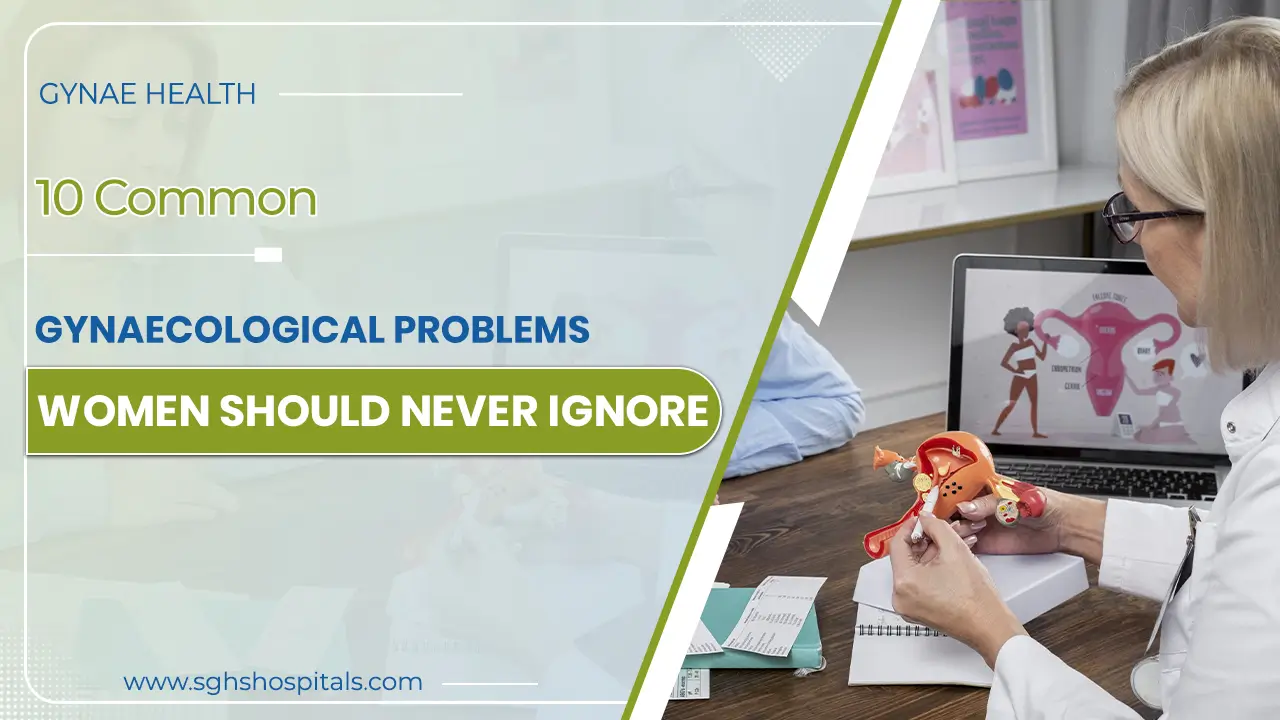
Women’s health is multifaceted and evolving, changing due to hormonal factors, lifestyle choices, and age-related changes. Unfortunately, many women tend to overlook symptoms and signs of pain, discomfort, or abnormalities that could mean something is wrong with their reproductive system, and instead choose to tolerate these symptoms or ignore them entirely. A timely diagnosis is essential to prevent complications and ensure long-term wellness for women. Below are 10 common gynaecological health issues that all women should be aware of and should never ignore, with facts backed by Women’s health clinic in Mohali.

Irregular Periods
Hormonal imbalances, thyroid dysfunctions, PCOS, or stress-related issues may present themselves in the form of missing monthly bleeding, excessive blood loss, shorter or longer menstrual cycles than what is typical. If a woman experiences any of these symptoms over a three-month period or longer, she should consult with a physician about a medical evaluation.
Polycystic Ovary Syndrome (PCOS)
PCOS is one of the most common disorders affecting females and has generally been misdiagnosed or underdiagnosed. Symptoms may include weight gain/loss, acne, increased facial hair growth, infertility, and an irregular menstrual cycle. The earlier a female receives treatment, the more likely she is to avoid serious long-term medical issues such as type 2 diabetes, hypertension, or heart disease.
Endometriosis
As per the best Female reproductive health specialist in Chandigarh, While many women experience painful menstruation, having severe or “normal” periods does not indicate a problem; this is not true of endometriosis. Endometriosis describes the growth of uterine-like tissue (also known as endometrial tissue) outside of the uterus, causing chronic pelvic pain, difficulty having sex, and difficulty getting pregnant. If diagnosed early enough, endometriosis can help manage symptoms and hopefully preserve a woman’s ability to have children.
Vaginal Infections
Vaginal infections can be characterised by any or all of the following symptoms: itching or burning, abnormal discharge, or odour that may seem foul. Vaginal infections that are left untreated can spread further to other reproductive organs and result in Pelvic Inflammatory Disease.
Uterine Fibroids
Fibroids in the uterus may be a benign condition to have. Fibroids in the Uterus represent benign growths in the uterus that can cause heavy periods, pelvic pressure, and frequent urination. These growths are not cancerous, but if left untreated, fibroids may lead to anemia, pain, and infertility.
Pelvic Pain
Pain is not normal if it lasts longer than 6 months. Chronic Pelvic Pain may indicate the presence of ovarian cysts, endometriosis (which causes infertility), infection, or adhesions. Not addressing the cause of Chronic Pelvic Pain will ultimately worsen the condition, making it more complex for the doctor to administer treatment.
Menopause-Related Problems
According to the best Gynaecologist near me, menstrual or hormonal changes due to Menopause may lead to hot flashes, moodiness, decreased libido, and painful sexual intercourse. While these symptoms experienced during Menopause are often overlooked, they can all be treated. Professional help can relieve menopausal symptoms while also preventing osteoporosis and other cardiovascular issues.
Painful Intercourse
Pain during intercourse may be caused by infections, endometriosis (leading to infertility), vaginal dryness, or psychological distress. Most women are hesitant to speak out about Painful Intercourse, but addressing Painful Intercourse early can provide both physical and emotional health.
Heavy Menstrual Bleeding
The loss of menstrual blood can lead to anemia, fatigue, and can have a long-lasting impact on women’s health. Excessive mild to severe bleeding through pads may indicate the presence of a hormonal disorder, fibroids, or hypothyroidism. It is important to obtain medical care as soon as possible when there are signs or symptoms of excessive bleeding.
Ovarian Cysts
While small cysts are common, recurring or persistent ovarian cysts that are large in size might cause bloating, pain and irregularity in periods. They might rupture or twist in rare cases, which might lead to emergencies.
If you are looking for the Best hospital for gynaecology problems in Mohali, or the Best gynaecologist in Mohali, Sohana Hospital might just be the right destination for you. Sohana Hospital Mohali is home to the World’s most advanced technology and North India’s most trusted and experienced gynaecologists who provide the most comprehensive and holistic care for all the issues related to women’s health. Book your appointment today!
What are some common uterine problems in women?
Common uterine problems include fibroids, endometriosis, adenomyosis, polyps, and uterine prolapse. These should be treated with the help of a gynecologist in mohali, so the right tratjengt can be availed.
How can sohana help with gynaecological problems?
Sohana Hospital has a wide range of treatments for gynecological issues. Their expert treatment and medical issues are here to tell you what's the right way of getting rid of pain, and discomfort related to different kinds of gynecological issues.
What are common issues to see a gynecologist?
Common reasons to see a gynecologist include menstrual irregularities, pelvic pain, and unusual discharge. Menstrual and Reproductive Concerns include Heavy or painful periods, Irregular or missed cycles, and fertility struggles.
What are 10 high-risk pregnancy conditions?
A high-risk pregnancy involves health conditions that threaten the mother, the baby, or both, and require specialized medical care. Conditions like Gestational Diabetes Mellitus, Preeclampsia and Gestational Hypertension, and Multiple Pregnancies.
What are hidden pregnancy symptoms?
subtle early changes that mimic everyday conditions like premenstrual syndrome (PMS), stress, or minor digestive issues. Subtle Physical Clues that indicate pregnancy as a possibility are Mild cramping, Light spotting, Extreme fatigue, and heightened smell and taste.
Reviewed On:
Medically Reviewed By: Dr. Hena Dhingra
Sohana Hospital, Mohali.
Credentials of the Author:
-MD Internal Medicine
-DM Obstetrics & Gynaecology
-16+ Years of Clinical Experience
-Specialist in gynaecologic Diagnostics, Treatment & Prevention

Obstetrics & Gynecology
 SOHANA HOSPITAL