Written By: Dr Karamveer Singh Sabharwal
Chief Urologist & Robotic Surgeon
Sohana Hospital, Mohali.
Experience: 18+ Years
Published: December 9, 2025
Last Updated: December 9, 2025
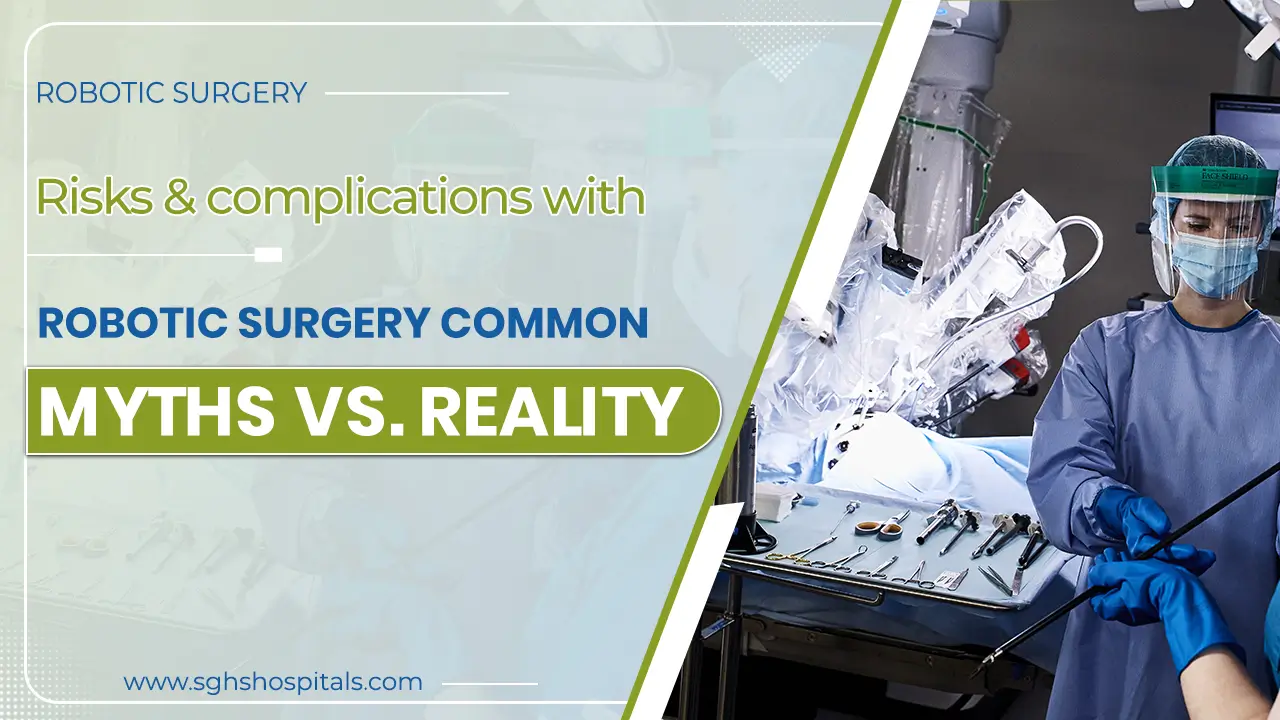
The use of robotic surgery has increased rapidly, becoming one of the most sophisticated types of minimally invasive surgery available and considered to be one of the most reliable. However, there are still many patients who are concerned about some aspects of robotic surgery, including complications and risks of the procedure. The reason that so many patients feel anxious when contemplating undergoing robotic surgery is due to the many common myths associated with robotic surgery, instead of factual information provided by medical professionals regarding robotic surgery. When patients understand what robotic surgery actually entails, they can then make informed, confident decisions regarding their medical care.
In this article, we will discuss the myths regarding Robotic surgery in Mohali, along with an explanation of what is accurate regarding robotic surgical safety.
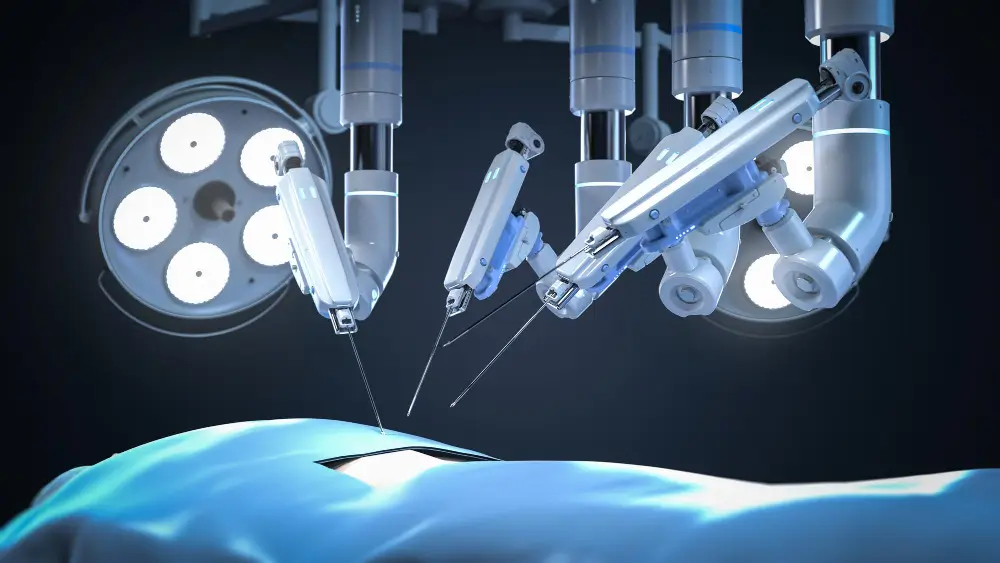
Myth 1: The robot performs the surgery on itself; surgeons have no control over it.
This is the most pervasive misconception about robotic surgery. In reality, when a surgeon uses a robot to perform a procedure, the surgeon has complete control of the robotic system throughout the entire surgical process. The robotic system does not have a mind of its own; therefore, if something goes wrong with the system, the surgeon is still able to operate the robot through their hand/arm motions while the robot mimics the surgeon’s movements with greater precision, stability, and flexibility.
In addition, robotic systems are designed with multiple fail-safe mechanisms and safety features that continuously monitor the robotic system during the surgical procedure, so if any problems arise with the robotic system, the system immediately shuts down, and the surgeon resumes the laparoscopic surgery on their own.
Myth 2: Robotic surgery is associated with more complications than Open surgery.
The truth is, clinical studies overwhelmingly prove this to be untrue. Generally speaking, robotic surgeries have:
More minor incisions
Less blood loss
Lower risk of infection
Less post-operative pain
Quicker recovery times
Because robotic surgery allows 3D magnification and precision instrument manipulation by the surgeon, the risk of complications tends to decrease, rather than increase.
Myth 3: Robotic surgery is not safe or reliable because it’s an experiment.
Robotic surgery in Mohali has been used successfully for 20+ years all over the world in various specialties (urology, oncology, gynecology, cardiothoracic surgery, and general surgery). Robotic surgery is FDA-cleared, and research exists demonstrating safety and long-term success through thousands of research articles.
Myth 4: Robotic surgeries take longer to perform, which increases the risk of anesthesia-related complications.
The initial surgical learning curve may take additional time; however, many experienced robotic surgeons complete robotic procedures as quickly or quicker than conventional surgical techniques. Shorter incisions, minimal blood loss and improved visualization contribute to decreased operative times in many areas of surgery.
Myth 5: Robotic surgery is impossible to convert for any reason.
The truth is that surgeons who specialize in robotic-assisted surgery are also well-trained with traditional surgical approaches such as open surgery and laparoscopic surgery. Should there ever be a situation where a conversion is necessary (which is quite unusual), these surgeons have the tools and expertise to perform an effective conversion without compromising the safety of their patients. Conversions are performed in a controlled manner and not as desperate emergency situations.
If you are surfing the internet for the Best robotic surgeon in Mohali, or the Robotic surgery hospital in Chandigarh, Sohana Hospital Mohali might just be the best option for you. Sohana Hospital Mohali is home to the World’s most advanced technology and North India’s most trusted and experienced robotic surgeons who provide the most comprehensive and holistic surgical care for the patients in the region. Book an appointment today!
Is robotic surgery safer than regular surgery?
Robotic surgery is generally safer than regular surgery because of many different reasons. Advantages of Robotic surgery include smaller incisions, enhanced visualization, Greater precision and control, built in safety features, and a quicker recovery.
How can Sohana hospital help with robotic surgery?
Sohana hospital has a wide range of facilities available for robotic surgery with the help of internationally trained doctors and medical advancements making sure you have all the treatment required at the best level of service possible.
Which advantage results from using robotic surgery?
Robotic surgery provides several key advantages for patients including Smaller Incisions, Less Pain and Scarring, reduced blood loss, lower risk infection, faster recovery infection, and better functional outcomes. You can discuss all your concerts related to robotic surgery with a Robotic surgery hospital in Chandigarh and avail the best treatment.
How long does robotic surgery last?
Robotic surgery typically lasts between 30 minutes and 5 hours, depending heavily on the specific type and complexity of the procedure. Hernia Repair takes about 30 minutes to 5 hours, thyroid surgery takes about 1 hr, prostatectomy about 2 to 4 hours, and general soft tissue operations 1 to 4 hours.
Why do doctors prefer robotic surgery?
Doctors prefer robotic surgery because of many reasons related to both the patient and the doctors. For patients things like cleaner margins in cancer surgeries, less tissue trauma, reduced blood loss, and lower risks of complications are preferedd y the doctir suggesting robotic surgery.
Medically Reviewed By: Dr. Karamveer Singh Sabarwhal
Chief Urologist & Robotic Surgery
Sohana Hospital, Mohali.
Credentials of the Author:
-MS General Surgery
-MCh Urology
-18+ Years of Clinical Experience

Robotic Surgery

 SOHANA HOSPITAL