Written By: Dr. Hena Dhingra
Consultant - Gynaecology
Sohana Hospital, Mohali.
Experience: 15+ Years
Speciality: Obstetrics and Gynaecology
Published: December 1, 2025
Last Updated: December 1, 2025
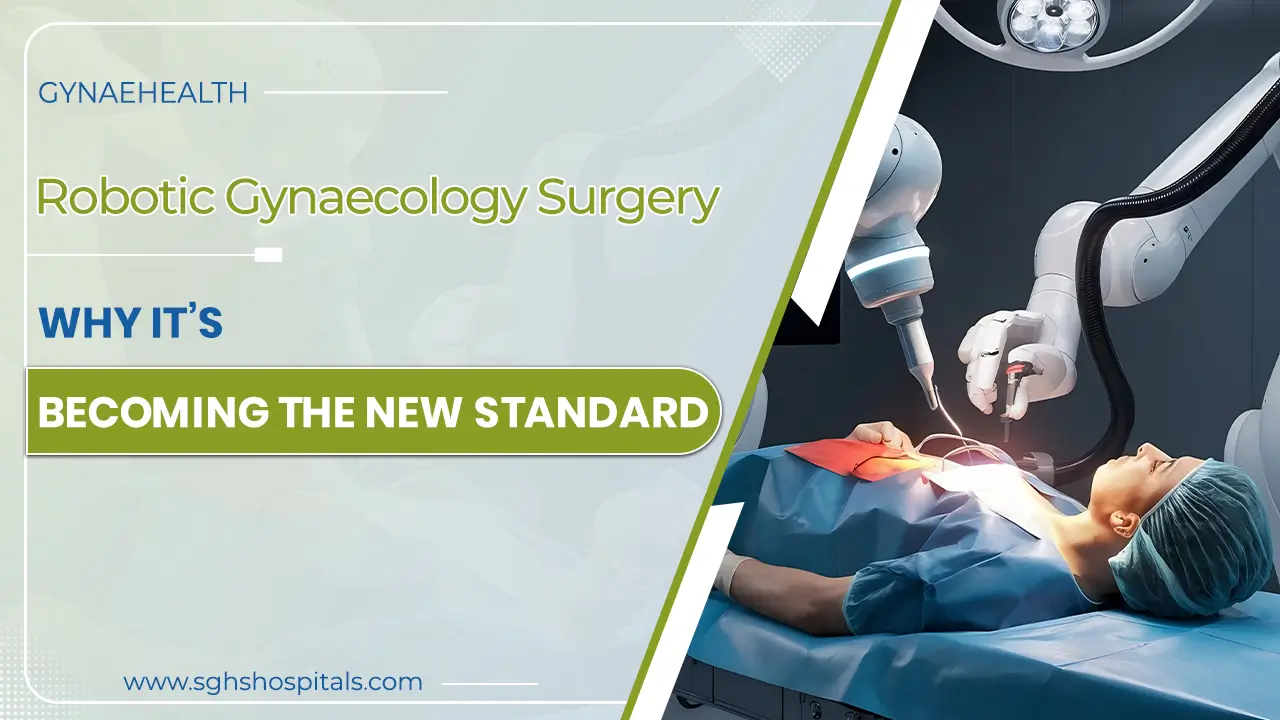
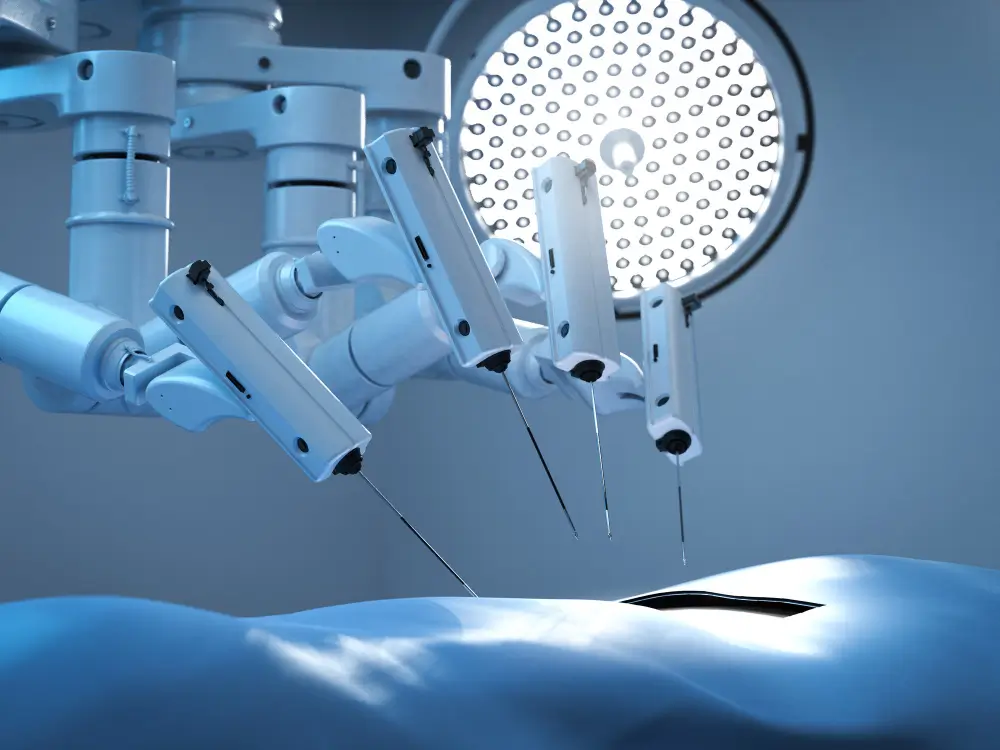
Gynaecology has seen significant changes and advances over the last decade. Perhaps the single most amazing advancement in gynaecology has been robotic surgery. As a result of all these advancements, robotic gynaecological surgery has become the new standard of care throughout the world. Procedures that once required large incisions and longer hospitalizations with painful recovery now take place with an astonishing degree of precision and comfort through the use of a robotic platform. In robotic-assisted surgery, the surgeon does not operate on the patient with the robot but rather utilizes advanced robotic technology powered by the da Vinci Surgical System combined with the skills of a surgeon. The robotic technology translates the surgeon’s hand movements to extremely accurate, highly controlled movements of extremely small instruments inside the patient’s body, providing the surgeon with unparalleled control, stability, and visualization. In this article, we will discuss in detail how Robotic surgery in Mohali is transforming healthcare for women.
How is Robotic Surgery Changing Women’s Healthcare?
Eliminating the use of open surgical procedures with maximum level robotic precision The robotic platform allows the surgeon to see the surgical field in three dimensions, providing a high-definition view of the surgical area, allowing surgeons to see even the most minute structures. This type of clarity allows for very precise removal and/or repair of tissues while reducing the possibility of complications, which is especially important when working with delicate organs within the female reproductive system.
Minimally-Invasive Options
Open or laparoscopic surgical techniques require large incisions through skin and significant manipulation of the body’s tissues. Robotic-assisted surgery for women’s health can be performed using small incisions, which minimises blood loss, scarring, post-operative pain and dependence on pain medication. Most women can return home on the same day or the following day after a robotic-assisted procedure.
Recovery Time & Length of Stay in Hospital
The fastest recovery time for women who have had hysterectomies, endometriosis surgeries, fibroid removals, pelvic reconstructions, or ovarian cyst surgeries are among the most significant benefits of Robotic surgery in Mohali. Patients’ lives are less disrupted professionally and at home because of the ability to return to their daily routine much sooner.
More Successful Three-Dimensional Procedures
Many gynaecological conditions affect deeper structures or areas that are difficult to access via traditional techniques. Robotic instruments are designed so they can rotate 360 degrees, beyond the control of the human hand. Therefore, they are the ideal instruments for performing surgeries on complex gynaecological conditions requiring highly accurate and precise positioning of instruments without damaging adjacent organs.
Lower Risks of Complications
The use of smaller incisions with enhanced visual control decreases the risk of blood loss, surgical site infections, and post-operative complications when using robotics. This provides greater safety for patients with co-morbidities such as diabetes, obesity and cardiac diseases.
If you are looking for the Robotic surgery hospital near me, or the best Best robotic general surgeon in Mohali, Sohana Hospital might just be the best option for you. Sohana Hospital Mohali is home to the World’s Most Advanced robotic technology and North India’s most trusted and experienced Robotic Surgeons who provide the most comfortable and seamless surgical experience to the patients. Book an appointment today!
Why are people against robotic surgery?
People are often against or hesitant about robotic-assisted surgery due to high costs, the lack of haptic (touch) feedback for surgeons, fears of mechanical or software malfunctions, steep surgeon learning curves, and the common myth that the robot operates autonomously without a human doctor.
How can Sohana hospital help with robotic surgery?
Sohana Hospital has a wide range of treatments for all kinds of surgeries with their robotic procedures giving the best treatment for the problem to be treated.
Why do doctors prefer robotic surgery?
Doctors prefer robotic-assisted surgery because it provides superior 3D high-definition visualization, 10x magnified views, and wristed instruments that mimic or exceed human hand movements. It also filters out natural hand tremors, scales down movements for micro-precision, and allows surgeons to operate comfortably from a seated console, greatly reducing physical fatigue.
Can robotic surgery go wrong?
Robotic surgery duration typically ranges from 30 minutes to 5 hours, depending heavily on the specific procedure and its complexity. Routine procedures such as hernia repairs or appendectomies take around 30 to 90 minutes.
How long does robotic surgery last?
Robotic surgery typically lasts from 30 minutes to 5 hours, depending on the procedure and its complexity. Quick operations like a hernia repair or appendectomy take about 30 to 90 minutes, while complex cancer or urological operations like a prostatectomy or rectal dissection run 2 to 5 hours.
Medically Reviewed By: Dr. Hena Dhingra
Sohana Hospital, Mohali.
Credentials of the Reviewer:
-MD Internal Medicine
-DM Obstetrics & Gynaecology
-16+ Years of Clinical Experience
-Specialist in gynaecologic Diagnostics, Treatment & Prevention

Robotic Surgery
 SOHANA HOSPITAL