
Written By: Dr. Aakanksha Dogra
Consultant - Gynaecology
Sohana Hospital, Mohali.
Experience: 10+ Years
Speciality: Obstetrics and Gynaecology
Published: March 18, 2025
Last Updated: March 18, 2025
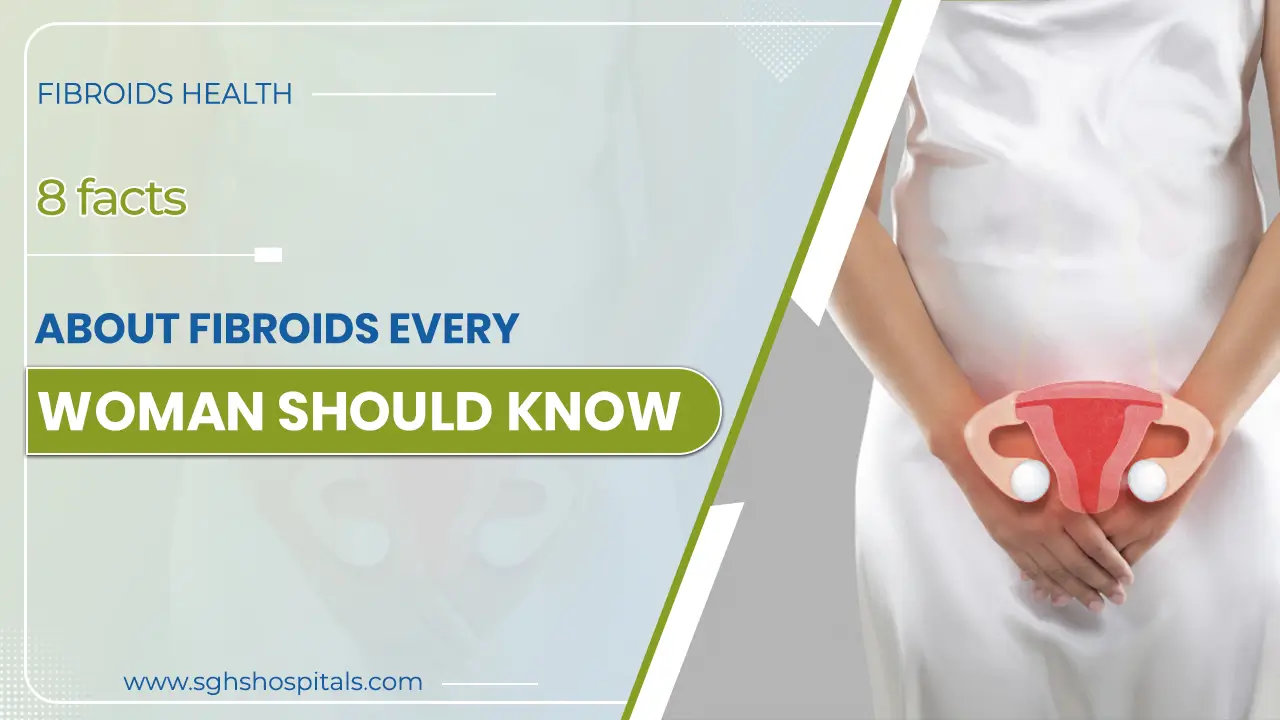
Uterine fibroids are one of the most common, yet intimidating issues related to women’s health. Fibroids, even after being so common, still remain one of the most misunderstood health conditions among women. Many women having fibroids might not even realise they have this problem, while among others, the symptoms caused by these fibroids can be severe and it can hamper their quality of life. The symptoms fibroids can cause include painful periods, bloating, and even fertility issues. Hence, developing a good understanding about uterine fibroids is not only important for those who have been diagnosed with them, but also for those who simply want to understand more about the female body! There are a lot of aspects of fibroids which need to be addressed, be it their connection to the hormones, or the manner in which they can impact the health of an otherwise healthy woman. In this article, we will discuss in detail about certain important facts about uterine fibroids that every woman should know and the Best treatment for fibroids.
What are uterine fibroids?
Before going on to the important facts, let us polish up on our knowledge regarding what these fibroids are in the first place. Uterine Fibroids are non-cancerous growths that develop in, or on the walls of the uterus. These are tumours made up of muscle and fibrous tissue. While these are not cancerous and very rarely develop into cancers, they can still have a drastic impact on a woman’s daily life.
Here are some of the important facts regarding uterine fibroids:
Uterine Fibroids are very common
As discussed above, anyone diagnosed with uterine fibroids shouldn’t panic, as this is not a rare condition. In fact, it is so common that up to 80% of all women are suspected to have fibroids by the age of 50.
They are non-cancerous
Uterine fibroids are benign tumours, which means that they are non-cancerous. They are made of the uterine muscle tissues, and do not increase the risk of developing uterine cancer.
Uterine fibroids can grow in multiple ways
There are different ways and locations where these fibroids can grow in the uterus. They have been categorized into various categories based on the same:
Intramural fibroid treatment are the fibroids that grow within the walls of the uterus
Submucosal Fibroids are those fibroids which grow in the cavity of the uterus
Subserosal uterine fibroid treatment are the fibroids that develop on the outer lining of the uterus.
Apart from the above-mentioned types, some fibroids can also grow on the stalk and reach from the uterine surface to the cavity of the uterus, these are called pedunculated fibroids.
Hormones also play a major role in Fibroid growth
Though the actual reason for the development of fibroids has not been pinpointed yet, it has been seen that hormonal changes greatly impact the formation of fibroids. Hormones such as estrogen and progesterone have a great role to play in Uterine fibroids. During pregnancy, when these hormones rise up, fibroids develop quickly, on the other hand, after women enter menopause, this growth stops.
Uterine Fibroids may or may not cause symptoms
Most of the women who have uterine fibroids might not experience any kind of discomfort. They might not have any symptoms and might even have the need to visit a Fibroid specialist near me. However, women who experience symptoms of these fibroids might struggle with heavy bleeding and painful cramps during periods, enlarged lower abdomen, frequent urination, painful sex, and pain in the pelvic region, etc.
Uterine Fibroids can affect fertility
Although it is not common, in some cases, uterine fibroids can also lead to infertility. However, many women who have been facing infertility due to fibroids can still conceive after Best treatment for fibroids.
Doctors can feel a fibroid during a physical exam
An experienced gynecologist might feel the growth of a fibroid during regular checkups. The patients might then be advised to have imaging tests including Ultrasound or MRI.
A wide range of treatment options is available
Thanks to the advancements in modern medicine and technology, there are a wide range of Best treatment for fibroids options available today. These treatment options include medications such as low-dose birth control pills, and other drugs which can be used to shrink the fibroids. When medications are not successful in providing relief, surgeries are used as an option to remove the fibroids.
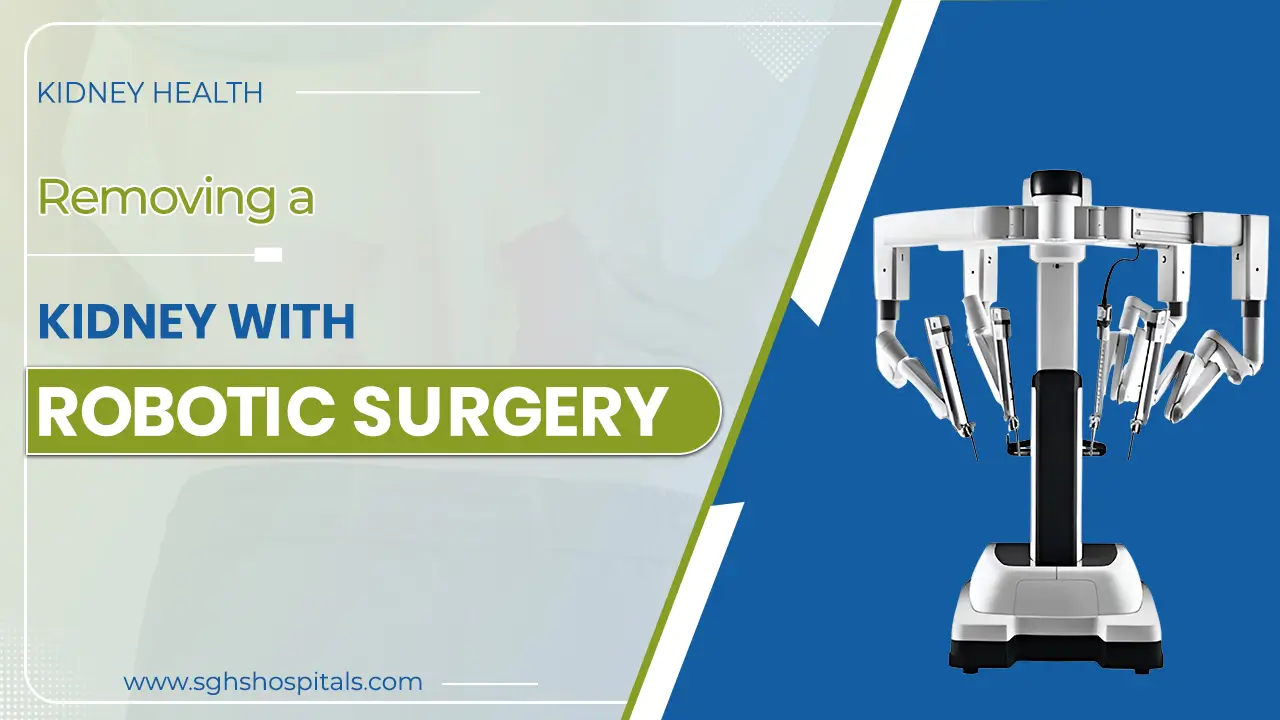
Introduction of Robotic technology has also led to the rise of revolutionary robotic fibroid removal surgeries. These surgeries are minimally invasive, highly precise and require shorter recovery durations. These robotic surgeries are becoming widely popular across the world for the range of benefits they offer as compared to traditional laparoscopic surgeries.
If you are looking for the Best gynecologist for fibroids or the Best gynecologist in Mohali, Sohana Hospital might just be the best option for you. Sohana Hospital Mohali is home to the rare combination of the world’s most advanced technology and the region’s leading and most renowned gynecologists, who provide the most comprehensive and holistic treatment for all your gynecological ailments. Book your consultation today and take a step towards a healthier life!
What helps fibroids go away?
Uterine fibroids can be managed or removed using medications, minimally invasive procedures, or traditional surgeries depending on your symptoms and fertility goals. Medical Treatments like hormone therapy, symptom management, and oral medications.
How can Sohana hospital help with fibroids?
Sohana hospital has a wide range of treatment for fibroids and all gynecology related problems. Their expert set of doctors and medical professionals have all the treatment required, so that you are easi;ly able to get rid of your discomfort.
What is the most common age for fibroids?
While peak diagnosis usually ranges around the age of 40 and 50, women and people assigned female at birth do get diagnosed with these in the ages of 30s and 50s. High reproductive hormone levels (estrogen and progesterone) and fluctuating changes during perimenopause usually play a good role in this.
What vitamin can shrink fibroids?
Vitamin D is the most researched vitamin associated with slowing the growth of or potentially shrinking uterine fibroids. Key Vitamins and Nutrients include vitamin D, A and Green Tea Extracts. Supplements can support overall health and help you manage the symptoms, but the real treatment can be obtained with the help of a doctor.
What is the latest treatment for fibroids?
New treatments for uterine fibroids involve radiofrequency ablation, microwave ablation, and uterine artery embolization. Consulting an expert gynecologist for treatment of fibroids can help you find the right treatment for you.
Medically Reviewed By: Dr. Hena Dhingra
Sohana Hospital, Mohali.
Last Updated:
Credentials of the Author:
-MD Internal Medicine
-DM Obstetrics & Gynaecology
-16+ Years of Clinical Experience
-Specialist in gynaecologic Diagnostics, Treatment & Prevention

Obstetrics & Gynecology

 SOHANA HOSPITAL