
Written By: Dr. Khushpreet Kaur
Consultant - Pulmonology
Sohana Hospital, Mohali.
Experience: 15+ Years
Speciality: Diagnostic Pulmonology
Published: September 4, 2025
Last Updated: September 4, 2025
More often than not, pollen allergies are dismissed as a seasonal problem by people. However, it is a condition that affects millions of people worldwide, and can cause serious complications, especially for people who are the risk of Asthma and COPD. Recognizing the early symptoms, taking proper medications, and making certain changes in the lifestyle can help such people improve their lung health. In this article, we will discuss in detail pollen allergy and how it affects people with Asthma and COPD, and what is the best Asthma treatment near me.
What is a Pollen Allergy?
Pollen refers to the fine powder released by trees, grasses, and weeds during their respective seasons. Under normal circumstances, it is highly unlikely that an individual would be able to breathe a large enough dose of pollen to warrant a negative reaction. When pollen is inhaled, a hypersensitive immune system response can be activated, therefore triggering allergic rhinitis (commonly known as hay fever). Symptoms of allergic rhinitis include sneezing, subsequent congestion, itchy eyes, and cough, all as a result of a hypersensitive reaction. Pollen indicates a sensitivity that can usually be managed; however, pollen exposure may affect individuals more deeply when they have sensitive lungs.
How are Pollen Allergy and Asthma connected?
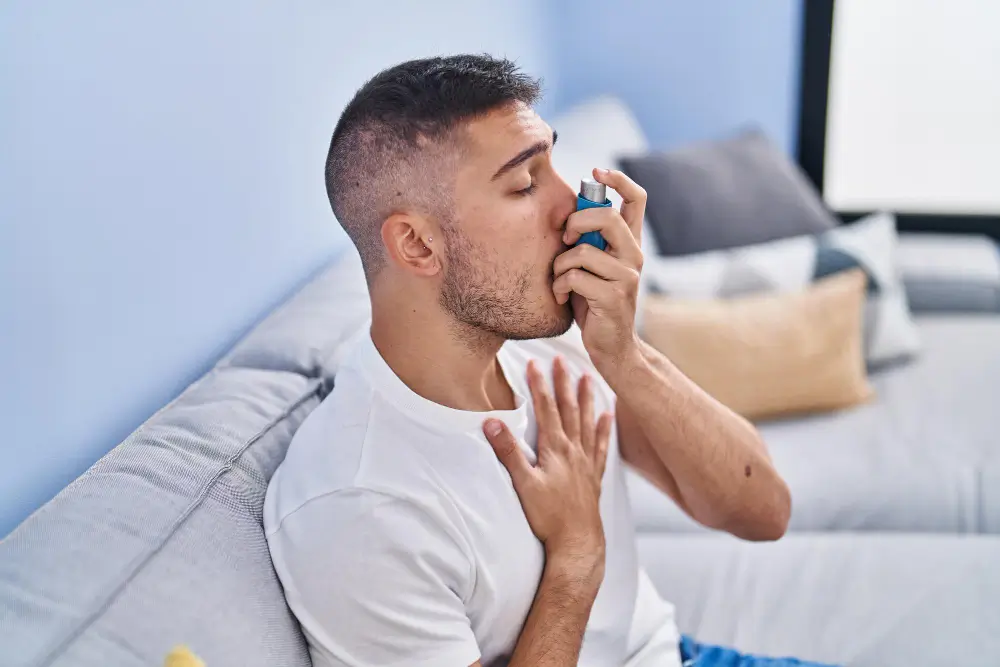
As per Asthma specialist In Mohali, asthma is a chronic lung disease that causes the inflammation and narrowing of the airways of the patient, making it difficult to breathe. Pollen can be a powerful trigger for asthma attacks. If a patient already has asthma, they can experience a lower quality of life with increased levels of pollen, or possibly have increased wheezing, shortness of breath, and/or chest tightness. In other cases, prolonged pollen allergy can increase their risk of developing asthma, especially the genetically predisposed type of asthma.
How does Pollen Allergy worsen COPD?
COPD is a progressive lung disease comprising chronic bronchitis and emphysema. The significant risk factor for COPD is smoking tobacco products, although other environmental triggers, such as pollen, can aggravate the condition. While in patients with COPD, it is unlikely that pollen itself has caused COPD, repeated or increased exposure can confuse the lungs, and take more effort and energy to breathe. Pollen may also stir up symptoms, causing increased coughing, more mucus, and increased breathlessness, resulting in the patient needing to manage the disease more frequently and take more aggressive COPD treatment.
Which groups have a greater risk?
Some groups are at a higher risk of the effects of pollen on their lungs and lung health. The following groups are at greater risk for negative effects from pollen:
People who have a family history of pollen allergy
People with pre-existing asthma or COPD
Smokers or people exposed to secondhand smoke
People with a weaker immune system
How to Manage Pollen Allergy to Minimize Risks to Lung Health?
The positive part is that the risks of pollen are manageable and even preventable with some care and concern. The steps to manage pollen are:
Staying updated on daily pollen levels and limiting exposure when the levels are high
Keeping windows closed and using air purifiers during high-pollen season
Wearing masks when going outdoors
Take antihistamines or inhalers daily if prescribed.
Seeing a pulmonary function medical doctor if symptoms worsen
If you are looking for the Best pulmonologist near me or the best pulmonology hospital in Mohali, Sohana Hospital Mohali might just be the right option for you. Sohana Hospital is home to the World’s Most Advanced technology and North India’s most trusted and experienced lung specialists, who provide the most comprehensive and holistic care for all the lung-related ailments of the patients in the region. Book your appointment today and take the first step towards a happier and healthier future!
How do I know if I have COPD or asthma?
Doctors use a breathing test called spirometry to tell the difference between asthma and COPD. Key differences lie in symptoms for both diseases, with asthma symptoms coming and going, often appearing as sudden attacks triggered by exercise, cold air, or allergies.
How can Sohana hospital help with asthma?
Sohana hospital has a wide range of treatment for asthma and other breathing, and lungs related issues. Their expert set of doctors have what you need to get better breathing systems and patterns. Their advanced imaging technologies enable quicker diagnosis with faster recovery times.
Does COPD get worse even if you quit smoking?
Yes, chronic obstructive pulmonary disease (COPD) can still progress and get worse even after you quit smoking, but quitting significantly slows down that decline. COPD Can Still Progress because of factors like permanent damage, ongoing inflammation, and aging.
What's good for pollen allergies?
Pollen allergy treatments include over-the-counter medications, nasal sprays, lifestyle changes, and long-term immunotherapy. Home and lifestyle remedies include saline rinses, staying indoors during high pollen times, hygiene, and keeping windows closed.
What to drink to calm down allergies?
Drinking plenty of plain water, green tea, or herbal teas like peppermint and ginger can help thin mucus and soothe allergy symptoms. Discussing your allergies and triggering symptoms with the Best Pulmonologist near me can help navigate them better.
Medically Reviewed By: Dr. Khushpreet Kaur
Sohana Hospital, Mohali.
Credentials of the Author:
-MD Internal Medicine
-DM Pulmonology
-16+ Years of Clinical Experience

Pulmonology
 SOHANA HOSPITAL