
Written By: Dr. Karan Pal Singh Chahal
Consultant - Cardiology
Sohana Hospital, Mohali.
Experience: 10+ Years
Published: 22 May 2025
Last Updated: 22 May 2025
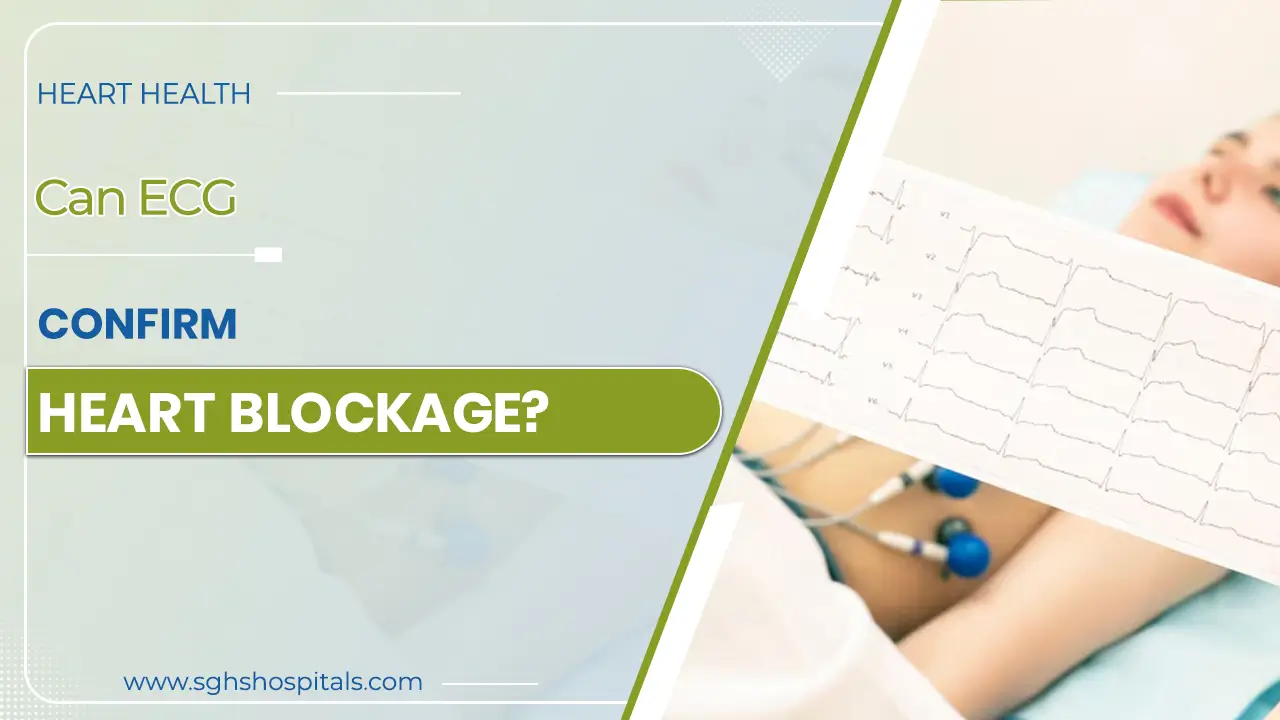
When the heart health of a person is concerned, early detection is the key to a successful treatment and recovery in most cases. Whether a person is facing chest pains, discomfort, or shortness of breath, or they simply want to stay one step ahead of the problems, doctors might advise some common tests that are of great use to assess the heart health of the patients. An Electrocardiogram (ECG/EKG) is one such quick and painless test that is often the step taken by doctors and healthcare professionals to analyze the condition of the heart of a patient. However, the answer to the question of whether an ECG can detect heart blockage is not a straightforward one. An ECG Test in Mohali measures the electrical impulses from the heart, picking up past heart attacks, abnormal rhythms of the heart, and signs of poor blood flow. If there is a big blockage in the coronary artery, it might be reflected in the form of changes in the wave patterns of the ECG. In such cases, an ECG might be crucial to underscore that something is going on with the heart. However, in the case of mild or partial blockages, the ECG might not show much evidence of the condition. Hence, cardiologists might advise certain other tests, including an echocardiogram or coronary angiography, in order to make sure that the heart is healthy. In this article, we will discuss in detail the ECG and whether it can detect heart blockages.
What is a heart blockage?
A heart blockage might occur when the coronary arteries that supply the oxygen-rich blood to the muscles of the heart become narrowed due to the buildup of plaques, which are fatty deposits that obstruct the flow of blood. This condition is called Coronary Artery Disease, and if left untreated, it might lead to a wide range of heart-related ailments, including a heart attack. An Electrocardiogram or ECG is a test that is used as the first step towards the assessment of heart health. This instrument records the electrical activity of the heart with the help of the electrodes attached to the skin. The waves of the electrical impulses reflected in the ECG can detect a heart blockage and the areas of the heart that might not be receiving an adequate amount of oxygen-rich blood.
What is an ECG?
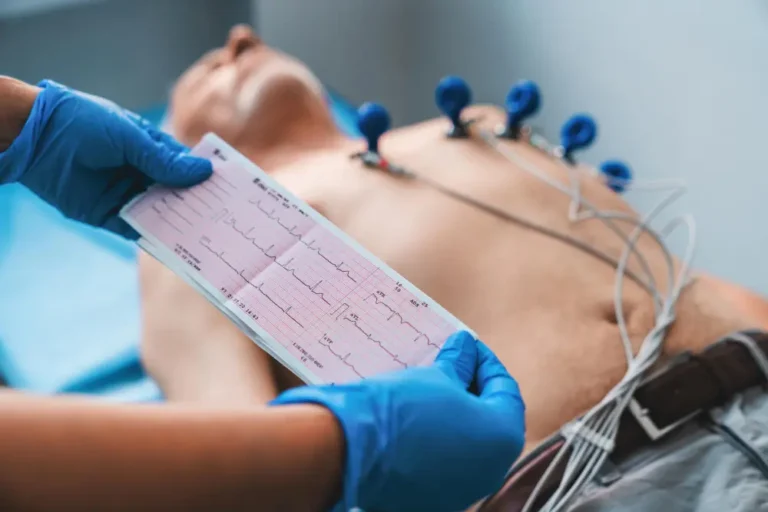
An electrocardiogram or ECG Test in Mohali is a quick and painless test that is used to assess the health of the heart of a patient. The ECG machine has small plastic patches or electrodes that are attached to the skin of the patient. There are 12 such electrodes, 10 of which are placed on the chest and arms of the patient, and one each is then placed on the forearms or the calves and connected to the ECG machine. What follows next is a 5-10 minute short procedure in which the ECG machine records the electrical impulses of the heart and reflects in the form of waves in a report. Through these electrical impulses, an ECG can effectively record the rhythm, heart rate, and the timing of the electrical signals that travel through the heart. While all this holds true, it is important to understand that an ECG in itself cannot detect a heart blockage; in fact, it relies on a series of further investigations in order to detect the condition better.
What are the different types of an ECG?
There are three main types of ECG, including;
Resting ECG: This is a standard type of ECG. It is done when the patient is at rest and lying down. It is used to measure the activities of the heart at the basal level. It is important for the patient to stay calm and composed during this test, as it may impact their results.
Exercise ECG: It is also known as a stress test. This test is done while the patient is exercising. This is typically done on a treadmill or stationary bike to assess the response of the heart to physical activity or stress.
Holter Monitor: It is also known as an Ambulatory ECG Test in Mohali. It involves attaching a device to the chest of a patient to measure the activity of their heart for a long period of time, typically around 24-48 hours, as the patient follows their daily routine and normal activities.
An ECG is a great tool to assess heart health and proceed with further evaluation if needed. An expert cardiologist can decide whether the results of the ECG are satisfactory or need further evaluation for any specific patient. Hence, it is of utmost importance to visit an experienced heart specialist in case a patient is feeling any kind of symptoms of heart-related issues.
If you are looking for the Best cardiologist in Mohali or the best test for heart blockage, Sohana Hospital might just be the right option for you. Sohana Hospital Mohali is home to the World’s Most Advanced Technology and North India’s Most Trusted and Experienced Cardiologists who provide the most comprehensive and holistic care for all the heart-related ailments of the patients in the region. Book your appointment today and take the first step towards a healthier and happier version of yourself!
Can ECG be normal with blockage?
Yes, an ECG can be completely normal even if you have a significant heart blockage. If blood flow is adequate while you rest, the electrical pattern may look normal even if an artery is severely narrowed.
How can Sohana hospital help with blockage?
Sohana Hospital has a wide range of treatment for all kinds of heart blockages. Their expert cardiologists and medical professionals have the exact treatment and guidance you need for the disease you are suffering from.
What are the first signs of heart blockage?
The early signs of a heart blockage often appear quietly as unexplained breathlessness, persistent fatigue, or mild chest discomfort during physical activity.
Can a heart blockage clear up on its own?
No, a hardened heart blockage (plaque buildup) cannot completely clear up or disappear entirely on its own without medical intervention. Arteries narrow when fat, cholesterol, and other substances form hard deposits called plaque atherosclerosis.
Which test is best for heart blockage?
Coronary angiography (specifically invasive cardiac catheterization) is the gold standard and most definitive test for confirming the exact location and severity of a heart blockage.
Medically Reviewed By: Dr. Harpreet Singh Gilhotra
Director Cardiology
Sohana Hospital, Mohali.
Credentials of the Author:
-MD Internal Medicine
-DM Cardiology
-25+ Years of Clinical Experience
-Specialist in Cardiac Diagnostics, Treatment & Prevention

Cardiology & Cardiac Surgery
 SOHANA HOSPITAL