
Written By: Dr. Vivek Rahanoo
Consultant General Surgery
Sohana Hospital, Mohali.
Experience: 16+ Years
Published: 9 September 2025
Last Updated: 9 September 2025
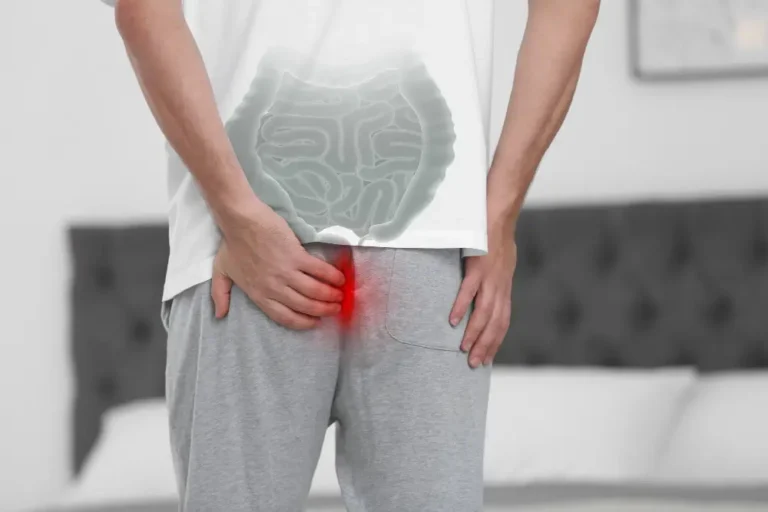
Hemorrhoids, more often called piles, are swollen blood vessels in the anus or in the rectum that may cause pain, bleeding, itching, and other types of discomfort experienced in those areas. Conservative treatment, medications, and non-surgical procedures may help alleviate symptoms in milder cases. In cases of severe or persistent symptoms, however, surgery may be necessary. Hence, in such cases, surgery can provide a complete and lasting relief for the patients against the symptoms of piles. In this article, we will discuss in detail various surgeries that can be a hemorrhoids treatment option for treating piles permanently.
When is Hemorrhoid Surgery Necessary?
Before we discuss the several types of surgeries, we must understand when patients require surgical intervention for hemorrhoid treatment. Surgery may be recommended if:
There is no resolution through conservative treatment.
The severity of the size or prolapse is large.
There is ongoing bleeding, chronic bleeding, or significant pain.
There is a complication, such as a blood clot (thrombosis or hemorrhoids).
A hemorrhoidectomy
This is the most commonly performed method in patients with severe hemorrhoids. In this procedure, the surgeon is able to remove the hemorrhoidal tissues completely and provide comfort to the patients. A hemorrhoidectomy is the best hemorrhoid treatment for large external hemorrhoids or for internal hemorrhoids with prolapse. A hemorrhoidectomy will safely remove the hemorrhoids for long-term comfort with low rates of recurrence.
Stapled Hemorrhoidopexy
This procedure could also be called the Procedure for Prolapse and Hemorrhoids (PPH). This procedure uses a circular stapling device to return the prolapsed hemorrhoids back into the rectum and cut off the blood supply. Stapled hemorrhoidopexy is mainly indicated for prolapsed internal hemorrhoids, for which it is usually associated with less pain and a quicker recovery.
Hemorrhoidal Artery Ligation
In this procedure, we use a Doppler ultrasound to identify and localize the blood vessel supplying blood to the hemorrhoid. The blood vessel is then ligated to stop the blood supply to the hemorrhoid and cause it to shrink. This procedure is minimally invasive, with less pain involved in the procedure and with minimal downtime.
Laser hemorrhoid surgery
The laser procedure for hemorrhoids is a more innovative and modern method and can shrink or remove the hemorrhoid accurately with focused laser energy. This procedure can be used for both internal and external hemorrhoids, depending on the severity of the problem.
Sclerotherapy & Rubber Band Ligation (Adjunct Procedures)
These hemorrhoids treatment are often characterized as the least invasive techniques to offer improvement to patients with hemorrhoids. Rubber Band Ligation, in short, stops the blood supply to the hemorrhoids, whereas sclerotherapy involves injecting particular chemicals into the hemorrhoids to shrink them.
If you are looking for the best hospital for piles treatment near me or the best hemorrhoids treatment in Mohali, Sohana Hospital might just be the right choice for you. Sohana Hospital Mohali is home to the world’s most advanced technology and North India’s most trusted and renowned surgeons who provide the most holistic and comprehensive treatment to the patients of the region. Book your appointment today and take the first step towards a happier and healthier life.
How can I stop piles permanently?
You can permanently stop piles (hemorrhoids) by combining lifelong diet and lifestyle changes with medical or minimally invasive procedures for advanced cases.
How can Sohana hospital help with piles?
Sohana hospital has a wide range of treatment for piles and all the related issues. Their expert set of doctors and internationally trained surgeons are there for all you need to treat piles.
Is piles a lifelong disease?
Piles are not a lifelong disease, but they can recur if underlying habits or triggers are not managed. You can discuss your piles case with a piles treatment near me.
Do piles have an age limit?
Piles do not have an age limit and can affect people at any stage of life, though they are rare in young children. Prevalence of the disease peaks in adults aged 45 to 65 and older because tissues and blood vessels naturally weaken and lose tone over time. There is no upper age limit for developing or treating piles.
What happens if piles are not removed?
Leaving piles (swollen veins in the rectum or anus) untreated can cause symptoms to worsen over time, leading to severe pain, ongoing bleeding, and painful blood clots. You can discuss the results of leaving piles untreated with a piles treatment near me .
Medically Reviewed By: Dr. Vikram Trehan
Consultant GI, Gastro & General Surgery
Sohana Hospital, Mohali.
Credentials of the Reviewer:
-DM General Surgery
-25+ Years of Surgical Experience

General Surgery



 SOHANA HOSPITAL