
Written By: Dr. Sonia Dhaka
Consultant Medical Oncology
Sohana Hospital, Mohali.
Experience: 18+ Years
Published: 18 November 2024
Last Updated: 18 November 2024
Breast cancer is a health matter that has elicited strong conversations about its increasing cases. It has become a rising health concern as the incident rate has risen from 1 in 20 women in 1960 to 1 in 8 women in today’s modern digital age. Concerning the global trends, the WHO also suggests that breast cancer has now become one of the most frequently diagnosed diseases. This marks an urgent need and requirement to find effective solutions and treatment against it. With this blog article, we are going to unfold information that distinguishes between what is true and what is folklore. Let’s dive deep into each breast cancer myth and gain further insights about it.
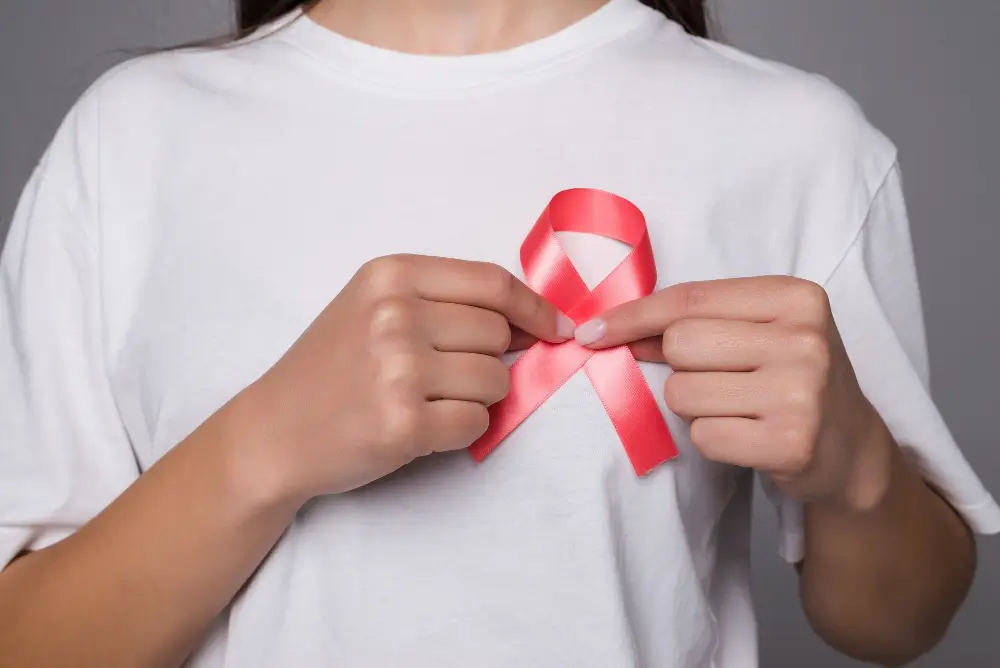
The most common myth about breast cancer is that it only affects women. While this is largely accurate but is not completely true. Men are not fully exempted from this disease as statistics have shown that 1 in 833 are diagnosed with breast cancer. Hence these statistics shed light on the fact that awareness must be for all genders. Thus, it is recommended that men too shall perform self-exams and seek early consultation for unusual changes in their breasts. You can discuss who all get breast cancer, and who is prone to getting the same with the help of a nationally accredited Cancer Hospital.
Yes, a lump is a significant sign of breast cancer but not all types of lump contribute to the cancer’s existence. There are many kinds of heartless lumps which are also known as benign conditions, and enlist multiple changes in the body such as cysts and fibrocysts. The majority of lumps are non-cancerous and are not considered to be harmful as they do not pose any threat to breast health. However, if a lump is painful or growing then a deep evaluation must be done to recognise whether the lump carries cancerous cells or not. Also, early detection helps address any concern related to the presence of a lump.
Another common belief regarding breast cancer is that this disease is genetics and if someone with the family gets infected then it becomes a generational disease. Thus a common misconception is it automatically activates cancerous genes in the coming generations but it is not true. As many changes occur from generation to generation, this may stop the expression of cancerous genes. It has also been seen that most of the cancer has been found in women who do not have a family history. Hence, many unnecessary fears are there among women who are recommended to undergo special screening tests at a young age for early diagnosis and treatment.
While this disease has caused many deaths, it has also a good survival rate which has led to saving many lives in serious conditions. Since the survival rate has improved drastically due to advanced technologies, it has also led to the decreasing severity of this cancer. Thus, this cancer is not always considered to be fatal and does have better outcomes if patients seek early and effective treatment from a reputable hospital.
Delving deep into the factual information, science has been debunking all misconceptions by coming up with immense clarity on breast cancer. For treating breast cancer, science has helped us find advancements in imaging technologies, like 3D mammography and MRI to control breast cancer.
It has also led to finding an approach that provides patients more personalised experience. A thorough research has been done to find genetic mutations and studying individuals’ genetic profiles. Thus, by targeting specific breast cancer genes such as BRCA1 and BRCA2, many women have successfully cured their breast cancer. In the realm of treatment, targeted therapies and immunotherapies have offered new hope to patients who suffer from subtypes of this disease. This has also led to enhancing survival rates while increasing quality of life. In addition to this, new molecular mechanisms are ongoing research resulting in providing more effective ways for treating breast cancer with the help of a nationally accredited Cancer Hospital.
Thus, acknowledging the right cause of cancer while being aware of all facts vs. myths can empower individuals to take early preventive steps against breast cancer.
By dispelling such myths, we all can foster a health-conscious community by spreading the right information and becoming aware of breast cancer. Hence, by recognising the above myth points, one can acknowledge the factual information and contribute to the early prevention of this cancer.
Sohana Hospital, a nationally accredited Cancer Hospital focuses on sharing facts and encouraging breast health by providing preventive steps and the right treatment. Their team of cancer specialists and surgeons works hard to provide early detection and early treatment for all cancer patients. Also, being highly experienced in treating multiple patients, they provide the best outcomes for every patient. If you too are struggling to find the right treatment for your breast ailment, the hospital has all the required treatment essentials for you to go through for a better experience of treatment overall.
Can you live a long healthy life after breast cancer?
Yes, many people live long, healthy lives after completing breast cancer treatment, especially when the disease is caught early. You can discuss your entire case with a nationally accredited Cancer Hospital who can help you understand right from wrong.
How can Sohana hospital help with breast cancer?
Sohana hospital has a wide range of treatment for breast cancer with the help of internationally trained technicians and surgeons making sure you have teh top level treatment you require for healthy remission. Their years of excellence and focused research institute makes them the best candidate for all kinds of cancer.
What is commonly mistaken for breast cancer?
Non-cancerous (benign) breast conditions and normal hormonal changes are most commonly mistaken for breast cancer. Common Benign Conditions That Mimic Breast Cancer are Fibrocystic breast changes, Breast cysts, Fibroadenomas, Mastitis and breast abscesses, Fat necrosis, and microcalcification.
Where is the first place breast cancer usually spreads?
Breast cancer usually spreads to the nearby lymph nodes first, particularly the axillary lymph nodes located in the armpit. Other sites of distant spread include Sentinel Lymph Node bones, lungs, liver, and brain.
What is one of the biggest triggers of breast cancer?
Age and genetic mutations are the biggest triggers to breast cancer which can be prevented with the right treatment and guidance by expert doctors and breast cancer specialists in mohali. Key Modifiable and Lifestyle Factors include prolonged hormone exposure, alcohol consumption and body weight.
Medically Reviewed By: Dr. Nitish Garg
Director Medical Oncology
Sohana Hospital, Mohali.
Credentials of the Reviewer:
-MD Internal Medicine
-DM Medical Oncology
-10+ Years of Clinical Experience
-Specialist in Cancer Diagnostics, Treatment & Prevention

Cancer Care


 SOHANA HOSPITAL