
Written By: Dr. Karan Pal Singh Chahal
Consultant - Cardiology
Sohana Hospital, Mohali.
Experience: 12+ Years
Published: November 14, 2025
Last Updated: November 14, 2025
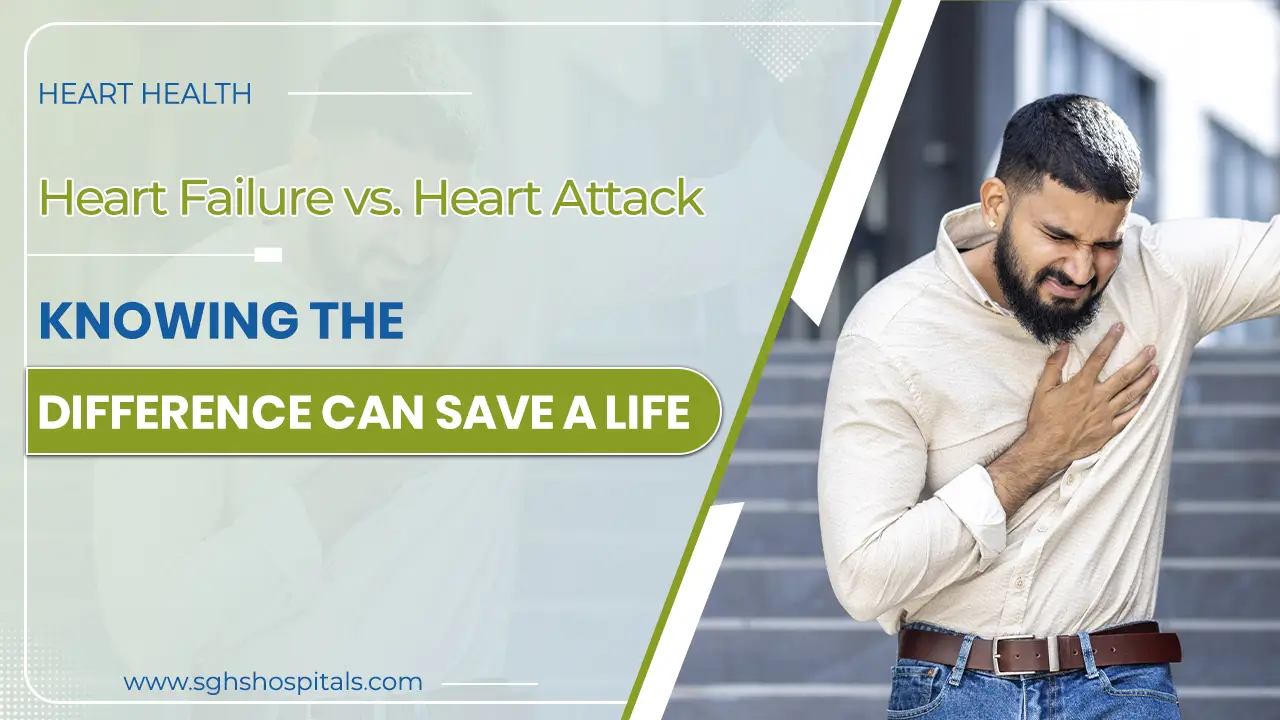
Heart problems considerably contribute to mortality across the globe, including but not limited to heart attack and heart failure. It is important to know that while both heart failure and a heart attack involve the heart function and can be fatal, they are different problems and require different education, different therapeutic options, and at times even different mechanisms for engagement to understand how to get an effective resolution. Recognizing the different conditions could be valuable for timely and critical medical evaluation, and in many cases, it can save a life. In this article, we will discuss in detail about the difference between Heart failure and a Heart Attack and the steps that can be taken to prevent them.

What Is a Heart Attack?
A heart attack (myocardial infarction) is defined as the sudden death of heart muscle because of a sudden (and most often) occluded blood supply to a portion of the heart muscle. This is usually secondary to plaque development (a mix of cholesterol, fats, and other substances) in the coronary arteries. When blood flow is reduced, the heart muscle experiences a reduction in oxygen, and the heart muscle then begins to die.
Some common associated symptoms of a heart attack include:
Sudden chest pain or pressure, referred pain to the arm, jaw or back
Shortness of breath
Sweating, nausea, or fainting
Fatigue or just being off
In order for someone to have the greatest possible chance of survival, getting blood flow back in an emergency situation is often prioritized. This priority includes getting angioplasty and/or stenting, or dissolving clot medications to get blood up the artery and reduce chances for irreversible cardiac myocyte injury. If we wait, we get a high risk for potentially fatal and irreversible effects.
What Is Heart Failure?
Heart failure doesn’t mean that the heart has stopped working; it means that the heart is weakened and not able to pump blood effectively. Heart failure usually occurs progressively over many years. It can develop as a result of chronic diseases, including high blood pressure, coronary artery disease, diabetes, or from a previous heart attack that damaged the heart muscle. Signs of heart failure are:
Shortness of breath which is more prominent with exertion or lying down
Swelling of the legs, ankles, or abdomen
Coughing or wheezing that won’t go away
Sudden, rapid weight gain from fluid retention
Fatigue and exercise intolerance
According to the Cardiovascular surgeon in Mohali, heart failure is a chronic disease that requires a long-term plan involving lifestyle changes and medications that will help the heart pump much more effectively or help prevent fluid retention.
Prevention and Early Intervention Saves Lives
Heart failure and heart attacks also have the same risk factors, which include smoking, high cholesterol, obesity, diabetes, and stress. Prevention includes:
Eating a heart-healthy, low-salt, saturated-fat diet
Exercise and weight control
Blood pressure and sugar control
No smoking, less alcohol
And regular cardiac check-ups, especially after the age of 40
If you are looking for the Best cardiologist in Chandigarh, or the Best hospital for Heart treatment in Mohali, Sohana Hospital might just be the best option for you. Sohana Hospital Mohali is home to the World’s most advanced technology and North India’s most trusted and experienced heart specialists who provide the most comprehensive heart care in the region. Book an appointment today!
Can you live a normal life with heart disease?
Many people with heart disease live full, active, and long lives by following their treatment plans and making healthy lifestyle choices. You can discuss a normal life with heart problems with a Best cardiologist in Chandigarh.
How can Sohana hospital help with heart disease?
Sohana Hospital has a wide range of treatments for heart diseases. Their expert set of doctors and medical experts have the expertise required for the best treatment of any heart condition you may be going through.
Which are two signs of worsening heart failure?
Two primary signs of worsening heart failure are sudden, unexplained weight gain and increased shortness of breath. Key Warning Signs include sudden weight gain, increased shortness of breath, and a persistent cough.
How many years can you live with heart problems?
Life expectancy with heart disease varies widely depending on the specific condition, its severity, and overall health. Median life expectancy drops to 6 to 12 months for advanced, end-stage heart failure.
What is the biggest symptom of heart failure?
The main and most common symptom of heart failure is shortness of breath (dyspnea) during physical activity, when lying flat, or even while resting. Common Signs and Symptoms include shortness of breath, fatigue and weakness.
Medically Reviewed By: Dr. Harpreet Singh Gilhotra
Director Cardiology
Sohana Hospital, Mohali.
Credentials of the Author:
-MD Internal Medicine
-DM Cardiology
-25+ Years of Clinical Experience
-Specialist in Cardiac Diagnostics, Treatment & Prevention

Cardiology & Cardiac Surgery


 SOHANA HOSPITAL