
Written By: Dr. Karan Pal Singh Chahal
Consultant - Cardiology
Sohana Hospital, Mohali.
Experience: 12+ Years
Published: September 4, 2025
Last Updated: September 4, 2025
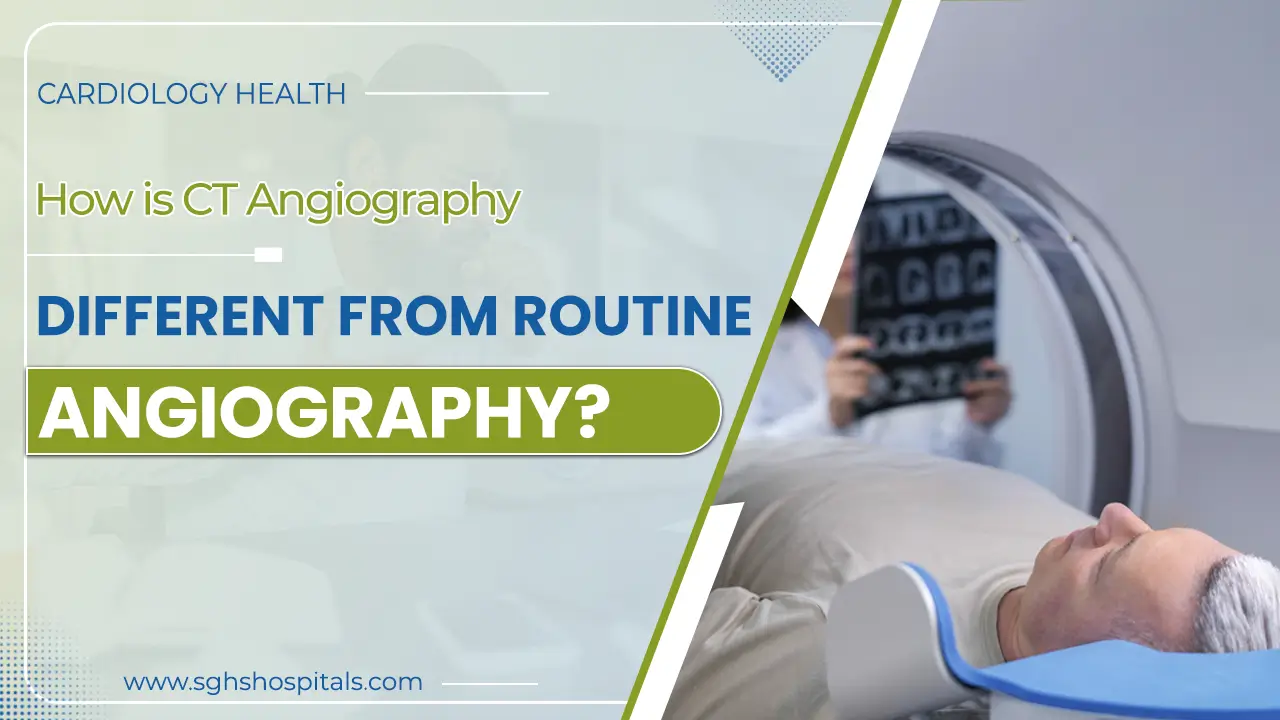
When it comes to diagnosing and identifying issues with the heart and blood vessels, modern medicine and science have two good methods available, ct angiography near me and Conventional Angiography. These tests can provide us with a good image of the blood vessels, identify blockages, and allow doctors to make no-doubt decisions on how to treat the patient’s heart health. When patients and their families are referred to one of these test methods, they may still be curious to know which method may be better or what the tests will be like. In this article, we will review all the information about ct angiography heart, Conventional Angiography, and their benefits and downsides, and try to understand when and how they are performed.
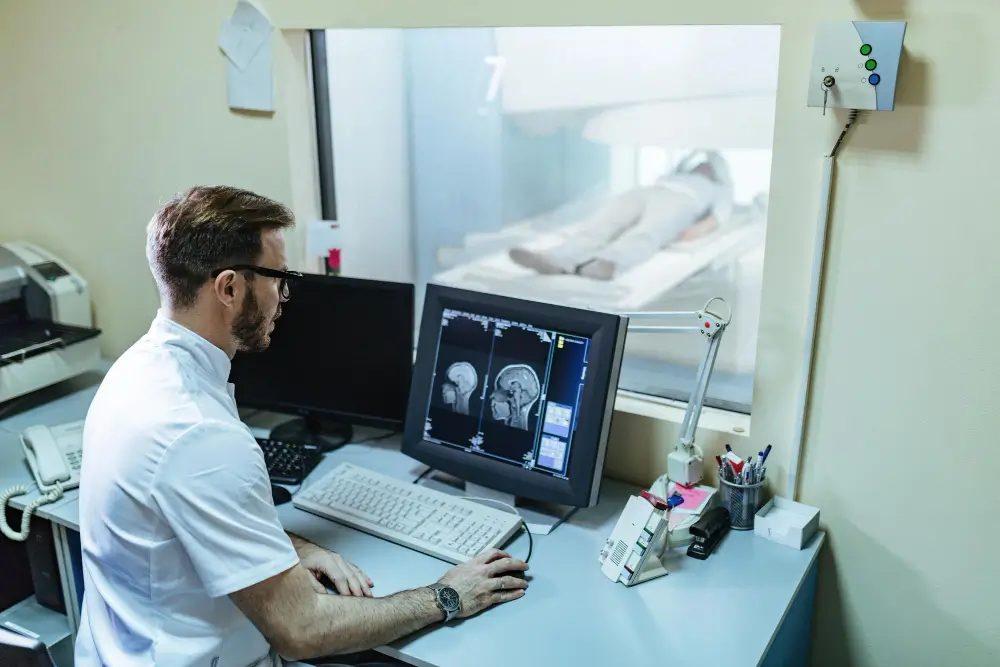
What is the process of Traditional Angiography compared to the process of CT Angiography?
Process of Traditional Angiography
The procedure begins by giving the patient a sedative to help them relax; however, the patient remains awake the whole time.
The patient is instructed to lie on the X-ray table, and an incision or cut is made over one of their arteries. This incision is typically made in the patient’s groin area or wrist; the patient is given a local anesthetic prior to the incision to numb the area.
A flexible tube is inserted into the patient’s artery and guided carefully to the appropriate area.
A contrast dye is inserted through the catheter, and while the contrast travels through the blood vessels, snapshots or X-ray images are taken.
CT Angiography
When undergoing ct angiography in Mohali, these procedures are followed:
The patient lies down on a table which moves them to the middle of the CT Scanner
The patient will have a compatible IV placed in their hand or arm, and a contrast dye will be injected. The patient may feel a warm sensation at the IV site.
The patient’s table will move past the scanner as the technicians leave, and then communicate with the patient via intercom.
This is a painless exam, though the patient may hear some clicking or buzzing while the scanner takes the pictures.
The entire scan will typically take 20 minutes to an hour. Some of the time, the technician will have the patient hold their breath while taking sections of the scan.
A CT coronary angiography near me is a procedure that is minimally invasive and painless, and produces results quicker than traditional angiography, which is invasive and produces results much later. CT Angiography is more accurate and results in a lower risk of complications than traditional angiography.
If you are looking for the best ct coronary angiography in Chandigarh or the best ct angiography in Mohali, Sohana Hospital might just be the right option for you. Sohana Hospital Mohali is home to the World’s Most Advanced medical technology and North India’s most trusted and experienced cardiologists and heart specialists who provide the most comprehensive and holistic care for all the cardiological ailments of the patients in the region with a patient-centric approach. Book your appointment today and take the first step towards a healthier life!
What are the disadvantages of a CT angiogram?
The primary disadvantage of a CT angiogram is the requirement for an iodine-based contrast dye and exposure to ionizing radiation, alongside limitations in treating conditions or reading images affected by heavy calcification.
How can Sohana hospital help with CT ?
Sohana Hospital has a wide range of treatment for all kinds of diseases with minimal risks and problems. All treatments are made extremely safe with Sohana Hospital with their extreme precision and extremities.
Is angiography harmful for the heart?
Angiography is generally safe and low-risk, but rare and serious heart-related complications can occur in less than 2% of cases. Mild bruising, soreness, or small blood lumps at the wrist or groin insertion site are some of the common side effects.
Is life normal after angiography?
Yes, life returns to normal for most people within a week after a simple diagnostic coronary angiogram. Immediate Recovery includes, rest, cautious driving, wound care, and activity limits.
Is a stent necessary after angiography?
No, a stent is not always necessary after a coronary angiography. A Stent Is Not Needed for Clear or mild blockages, severe diffuse disease, and a high bleeding risk.
Medically Reviewed By: Dr. Harpreet Singh Gilhotra
Director Cardiology
Sohana Hospital, Mohali.
Credentials of the Author:
-MD Internal Medicine
-DM Cardiology
-25+ Years of Clinical Experience
-Specialist in Cardiac Diagnostics, Treatment & Prevention

Cardiology & Cardiac Surgery

 SOHANA HOSPITAL