

Written By: Dr Karamveer Singh Sabharwal
Chief Urologist & Robotic Surgeon
Sohana Hospital, Mohali.
Experience: 18+ Years
Published: July 28, 2025
Last Updated: July 28, 2025
Robotic Prostate Cancer Surgery, or robotic-assisted laparoscopic prostatectomy, has emerged as a popular treatment option for men diagnosed with localized prostate cancer. The benefits of this surgical procedure include small incisions, minimal blood loss, faster recovery time, and an unmatched degree of precision. However, it is important for a patient to understand that the choice of the hospital and the surgeon is as important as the technology itself, in order to ensure optimal outcomes. In this article, we will discuss some of the most important factors that need to be taken into consideration while choosing an ideal hospital and a surgeon for prostate cancer surgery through robotics.
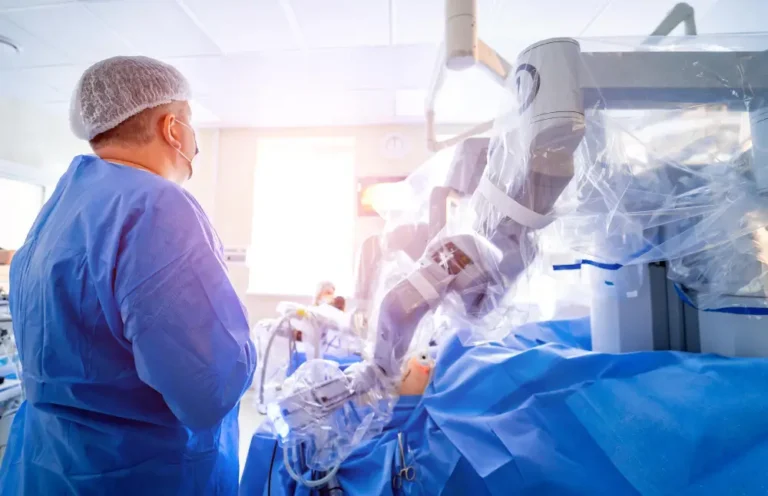
Experience of the Surgeon is extremely crucial
One of the most important considerations in robotic prostate surgery is the surgeon’s experience. Robotic-assisted procedures are very technical, and outcomes improve with experience. Patients achieve better outcomes when treated by surgeons who have performed a high number of robotic prostatectomies. Experienced surgeons are also better equipped to manage complications and obtain good cancer control, continence, and sexual function preservation. Hospitals with high volumes of robotic procedures and a dedicated urologic team will similarly result in better surgical outcomes.
Board Certification and Specialized Training
Patients might ask themselves if the surgeon is board-certified in urology and has formal training in robotic or minimally invasive prostate cancer surgery. Board certification means the surgeon has satisfied the credentialing body that they have completed the appropriate education, training, and examinations, and may make them a more qualified option for the patient. Some surgeons pursue fellowships in robotic urologic oncology, which demonstrates an extra level of expertise particular to the treatment of prostate cancer using minimally invasive robotic surgery.
Acquiring board certification and fellowship training provides the patient assurance that they are being seen and treated by a surgeon who is knowledgeable and qualified to proceed with complex surgical procedures.
The reputation of the Hospital
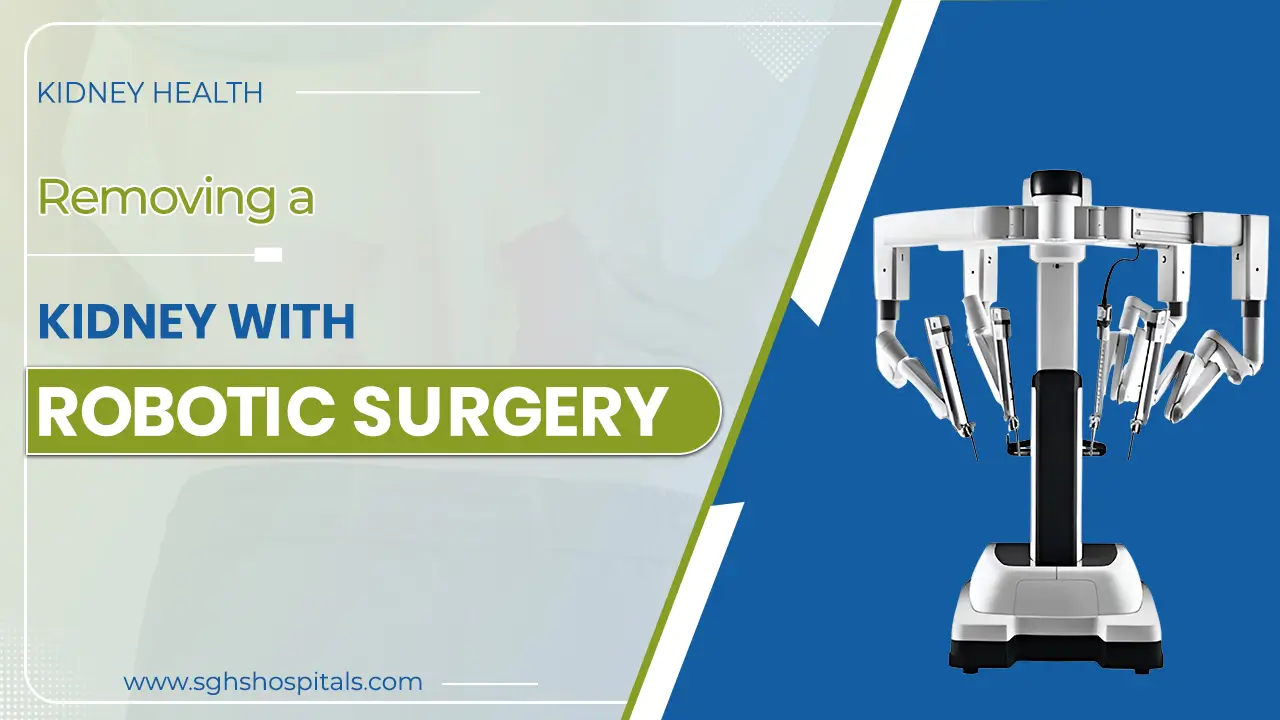
The hospital’s reputation can have a dramatic impact on the outcome of surgery. Top-tier hospitals have comprehensive cancer care departments that specialize in urology, have a set treatment pathway for the patient, and often offer support services that begin with a diagnosis and continue through post-op procedures. When considering a hospital, patients should care about whether the facility is recognized for excellence in robotic surgery and whether the facility has up-to-date robotic equipment such as the da Vinci Surgical System. Modern hospitals, with trained surgical teams, reliable services, and a solid support mechanism, enable patients to have confidence regarding the surgery, recovery, and a reliable treatment experience.
Track Records and Reviews
While evaluating the best robotic surgeons for prostate cancer or a hospital, the patient and their caregivers must also assess their experience with robotic prostate surgery. Important metrics to consider should be their cancer control, post-operative urinary incontinence, and their erectile function preservation rates. A reputable surgeon or hospital should be able to provide outcome data or success rates based on their previous patients.
Communication and Patient Support
While technical proficiency and experience are paramount quality variables, the overall patient experience is also shaped by the ability of the medical professionals to communicate and serve as a support system throughout the surgical journey. Good surgeons take time to answer questions, explain procedures, set reasonable expectations, and build trust and clarity with patients and their families. Hospitals that provide supportive services such as counseling, programs, patient education, and care coordinators will enhance the patient experience and contribute to emotional and physical recovery.
If you are looking for the best robotic surgeons for prostate cancer or cancer treatment for prostate cancer, you have just landed on the right page. Sohana Cancer Research Institute comprises the world’s most advanced cutting-edge technology and India’s leading and most renowned Cancer Specialists, who provide the most comprehensive and holistic treatment for all kinds of Cancers with the most patient-focused, compassionate approach.
Who is the best robotic prostate surgeon?
The excellence of a surgeon isn't the only factor that makes the possess best for you to go through. Factors like surgical success depend heavily on high procedure volume, experience with nerve-sparing techniques make sure you have the best robotic prostate surgeon.
How can Sohana hospital help with the best robotic prostate surgeon?
Sohana hospital has a wide range of facilities that make them the best hospital for robotic prostate surgery. Their years of excellence, and years worth of trust built with the help of dedicated hard work of internationally trained doctors and advanced treatment makes them more than qualified for robotic prostate surgery.
How risky is robotic prostate surgery?
Robotic surgery is considered a low-risk, minimally invasive procedure compared to traditional open surgery because of sophisticated ways of the procedure and better results, shorter hospital stays, and fewer incision pains, higher precision giving rise to a better overall experience. Whereas certain surgical risks include bleeding and blood clots, infections, and anesthesia reactions
What is the life expectancy after robotic prostate surgery?
Life expectancy goes high after prostate cancer procedures, because of factors like Cancer Stage and Grade, Postoperative PSA Levels, Overall Health and Age, side effects management. Your prostate cancer specialist can help you have the right treatment you are looking for, all that can help with prostate surgery.
What foods should I avoid after prostate surgery?
Prostate surgery can be heavy in the diet and lifestyle changes required. Foods and drinks that cause constipation, straining, or bladder irritation. Foods and Drinks to Avoid include caffeine, spicy foods, Gassy and Cruciferous Vegetables, red and processed meats, carbonated beverages.
Medically Reviewed By: Dr. Karamveer Singh Sabarwhal
Chief Urologist & Robotic Surgery
Sohana Hospital, Mohali.
Credentials of the Author:
-MS General Surgery
-MCh Urology
-18+ Years of Clinical Experience

Robotic Surgery




 SOHANA HOSPITAL