
Written By: Dr. Vivek Rahanoo
Consultant – General Surgery
Sohana Hospital, Mohali.
Experience: 16+ Years
Speciality: General, Laparoscopic & Robotic Surgery
Published:
Last Updated:
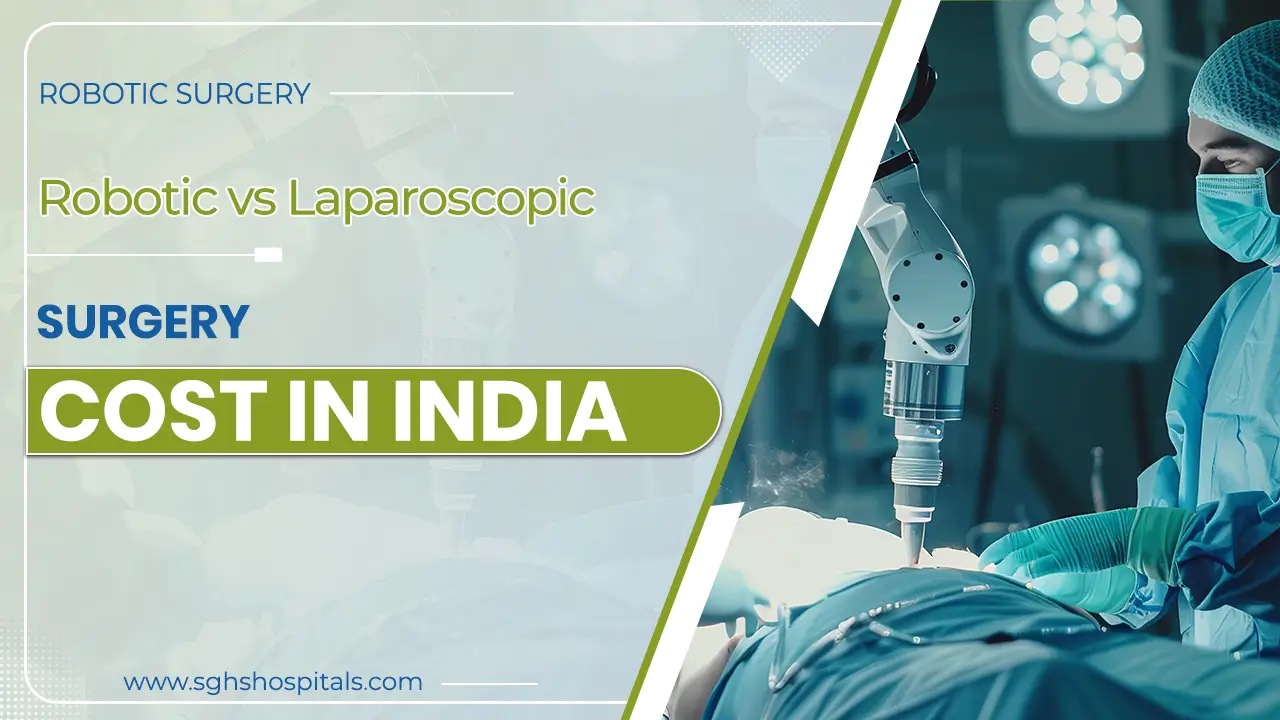
Minimally invasive surgical techniques have revolutionized healthcare in numerous aspects, including decreasing patient pain, reducing blood loss, and shortening recovery time. Laparoscopic surgery and robotic-assisted surgery are among the two most commonly utilized forms of minimally invasive surgical techniques. When most patients first hear about robotic-assisted surgery, their initial reaction is typically to ask, “Isn’t robotic-assisted surgery significantly more expensive?”
At first glance, this does seem to be the case; however, when considering the entirety of the patient recovery journey, many patients will find that they may potentially save a significant amount of money through the use of Robotic surgery in Chandigarh.
What is Laparoscopic Surgery?
Laparoscopy is a form of surgery that involves making small incisions, typically about an inch long, into the body and utilizing a camera-guided instrument to perform surgery within the body.
Compared to traditional open surgery, laparoscopic surgery generally allows for the following benefits:
=> Smaller Incisions
=> Lower Pain Levels
=> Quicker Healing
=> Shorter Stay in the Hospital
Laparoscopic surgery has been around for several years and is used to treat numerous conditions across various specialties, including but not limited to: hernia, gallbladder disease, gynecologic and urologic disorders.
What Is Robotic Surgery?
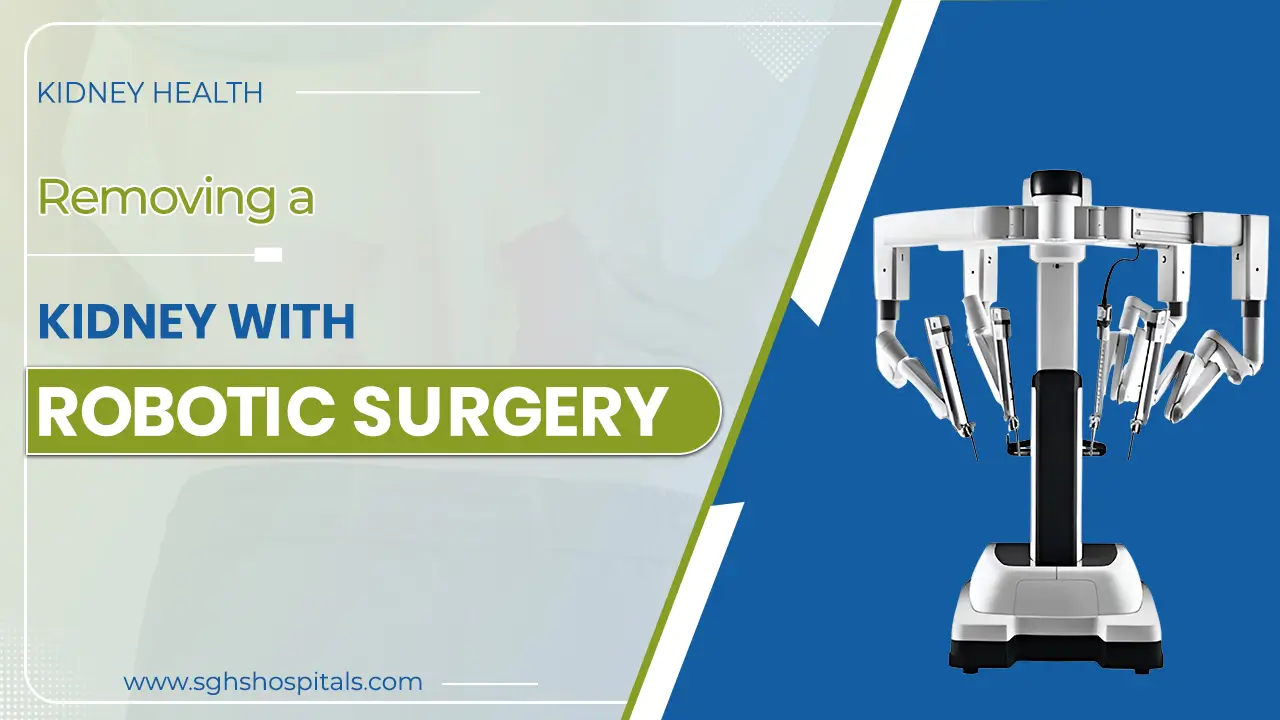
Robotic surgery in Chandigarh is a more advanced form of minimally invasive surgery where a surgeon uses robotic arms that are controlled from a computer console to perform a surgical procedure.
The robotic surgical system offers:
=> High Definition 3D Vision
=> Increased Precision
=> Greater Flexibility of Movement
=> Enhanced Control over Delicate Parts of the Body
One key point to remember, although using robotics to perform surgical procedures, the surgeon is still fully in control of the surgery and is operating the robot.
The Hidden Costs Patients Often Ignore
Usually, when thinking about how much surgery will cost, just consider the actual surgical procedure itself, BUT remember that there are other costs associated with the surgery, like:
=> Length of Hospital Stay
=> Medications and Postoperative Pain Control
=> Follow-up Visits
=> Loss of Days Work
=> Recovery Expenses
Robotic surgery in Mohali typically yields a greater long-term return.
Robotic surgery reduces the recovery cost
One of the greatest benefits of robotic surgery is the rapid recovery from surgery. Robotic Surgery patients feel:
=> Less post-operative pain
=> Smaller surgical incisions
=> Less blood loss
=> Lower risk of surgical complications
=> Faster return to activities of daily living
Because they have had a better postoperative experience, patients will likely require:
=> Fewer hospital days
=> Less postoperative medication
=> Less time on nursing care for aftercare
Over a period of time, all of these factors can significantly decrease the overall cost associated with the treatment of the patient.
Fewer hospital stays also reduce financial burden
Hospital stays are considered one of the single greatest sources of the burden of medical costs. In addition to having shorter recovery times (fewer hospital days), robotic surgical procedures will lead to lower hospital-related expenses because Patients who undergo robotic surgery have a higher likelihood of discharge sooner than those who have undergone traditional laparoscopic surgery/open surgery. A shorter hospital stay will result in the following lower costs:
=> Lower Room Charges
=> Lower Nursing Costs
=> Lower Medication Costs
Therefore, this lower cost of hospitalization may offset the initial higher cost of the robotic surgical procedure.
Sohana Hospital, Mohali, is the leading choice for patients considering robotic surgeries thanks to its advanced technology and the Best Robotic General Surgeons in Mohali. Book your appointment today!
1. Does the robot perform the surgery on its own?
No, robotic surgery is performed by a surgeon with the help of robotic arms. The eternity of the control of the operating room and the operations lies in the hands of the surgeon present in the operating room and the robot never independently operates on the patients.
2. What is the main difference in how the surgeon views the operation?
In traditional laparoscopic surgery, the surgeon looks only has access to a two dimensional view of the surgical area and the laparoscopic scopes only rotate to the degree that the surgeon’s wrist does however, in robotic surgery, the surgical system provides a magnified, high-resolution 3D view of the surgical site with 540 degree range of motion of the wrist ensuring better outcomes for the patient.
3. How do the instruments differ between the two methods?
Laparoscopic tools are long and rigid with limited wrist movement. Robotic instruments have profound rotations to 540 degrees of dexterity, closely mimicking the natural movements of a human hand.
4. Is robotic surgery safer than laparoscopic surgery?
Both methods are considered very safe and effective, however with the 3D view and precision of robotics, patients have received better outcomes for hernia, gallbladder, urological, gynaecological and cancer surgeries and other complex procedures.
5. How does recovery time compare between the two?
Recovery time for patients who have undergone robotic surgery are better in comparison to laparoscopic surgery as patients irrespective of whether they have undergone even the most complex surgery, if conducted robotically, are back to mobility within 24 hours with light activity and minimal disruption to normal activities.
Medically Reviewed By: Dr. Karamveer Singh Sabharwal
Chief Urologist, Robotic & Renal Transplant Surgeon
Sohana Hospital, Mohali.
Last Updated:
Credentials of the Author:
-MCh Urology
-MS General Surgery
-18+ Years of Surgical Experience
-Specialist in Prostate Cancer Surgery, Kidney Cancer Surgery, Kidney Transplant Surgery, Bladder Cancer Surgery, Kidney Stone Surgery, Prostate Enlargement Surgery,

Robotic Surgery




 SOHANA HOSPITAL