
Written By: Dr. Karan Pal Singh Chahal
Consultant - Cardiology
Sohana Hospital, Mohali.
Experience: 12+ Years
Published: 18 November 2024
Last Updated: 18 November 2024
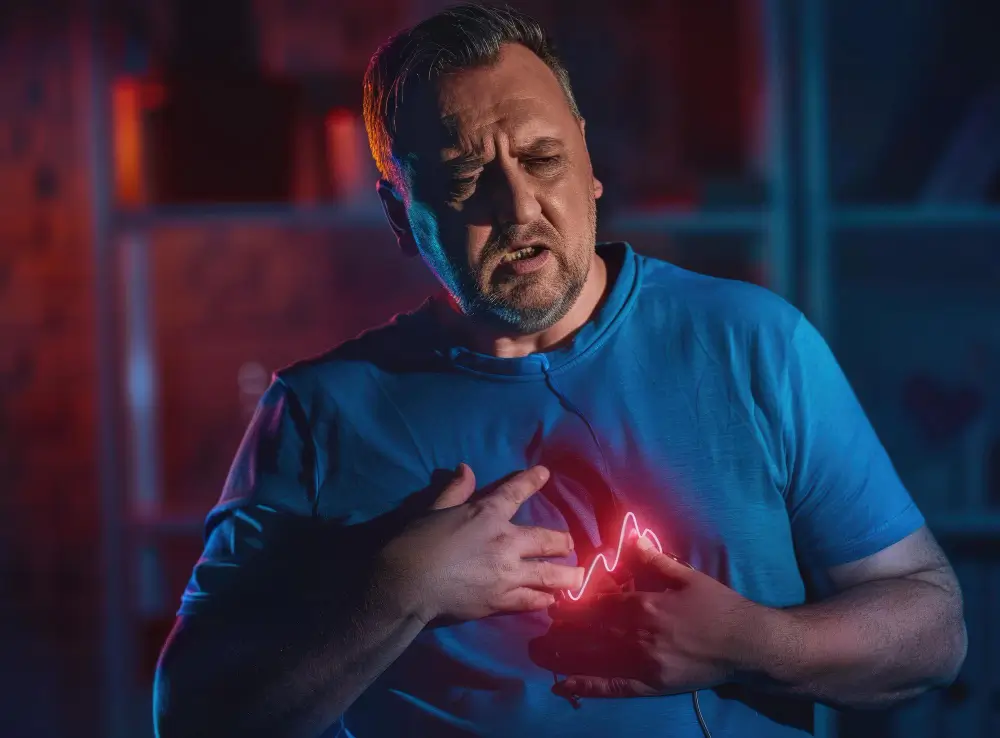
A heart attack may happen at any time and sometimes, without any warning signs or symptoms. Cardiac patients usually look for a good doctor for cardiology near me when they suffer a heart attack. However, to confirm the diagnosis of the same, the doctor might need to suggest any cardiac imaging.
The doctor may ask the patient to undergo one of these cardiac imaging procedures or a combination of them. This will help him or her have clarity of your overall health and plan the treatment accordingly.
The need for cardiac imaging
A cardiology doctor near me may suggest a patient needs to undergo cardiac imaging for a number of reasons.
Diagnosing heart ailments
Finding the reason behind the difficulty in breathing and chest pain
Screening the heart for early detection of major heart issues
Monitoring the effectiveness of treatments for better heart functioning
Determining a heart attack occurrence and its severity.
Echocardiogram
This is a test involving high-frequency sound waves to produce various heart structures’ images. The procedure helps in determining the heart’s pumping and the severity of damage during a heart attack.
An echocardiogram can help in detecting an infection, a hole in the heart, a valve problem or a blood clot affecting the blood flow. The procedure does not involve the use of any harmful chemicals or substances which makes this a preferred procedure for a cardiologist in Chandigarh.
CT scan
A computed tomography scan combines myriad X-rays with the use of a computer to create precise images of the inside of the heart. The doctor can use these images to directly read or obtain a 3-D view of the heart and its adjacent structures.
A CT scan can help the doctor identify any problems in the heart structure or check for blockages in the heart’s artery. If other types of tests don’t help, the doctor at the nearby heart hospital might suggest a CT scan.
PET scan
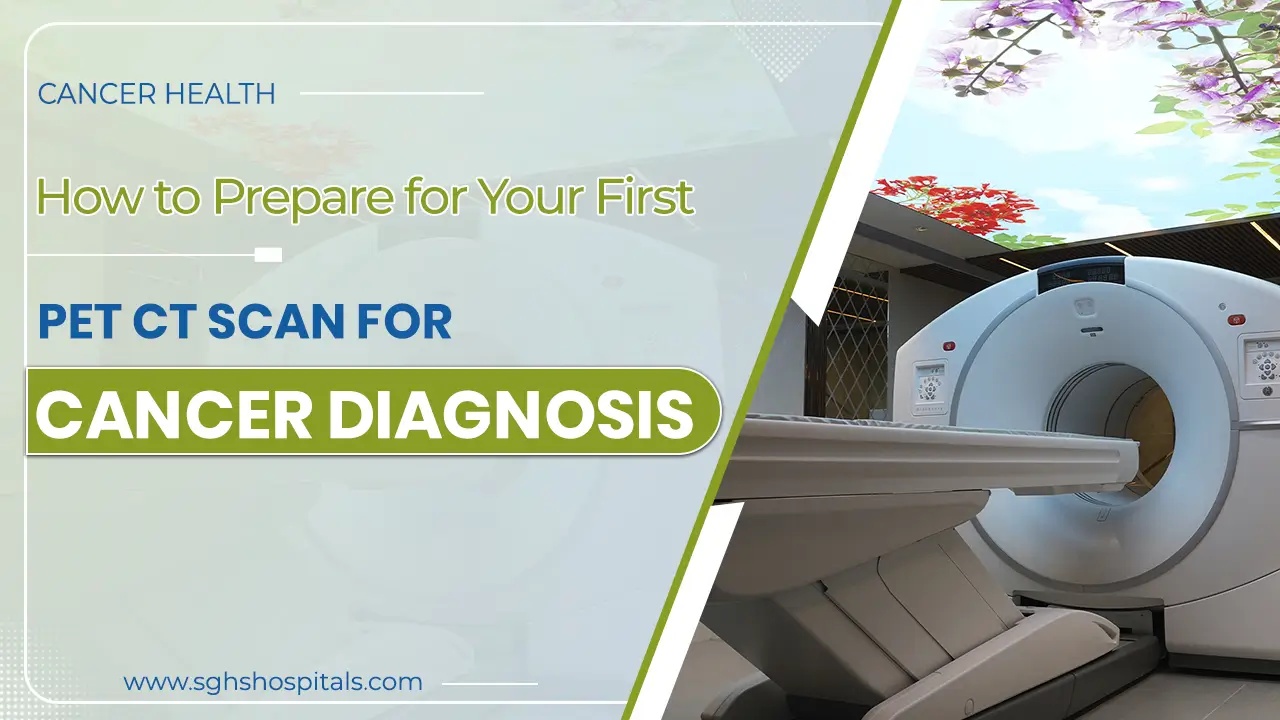
It is a nuclear imaging test that uses a radioactive tracer that gets absorbed by the diseased heart areas. The camera attached can help identify the areas of the heart that absorbed the tracer.
Doctors suggest a PET scan as it can find out the extent of damage to the heart after an attack. Many doctors at heart specialist hospital in Chandigarh combine this scan with a CT scan or use it in cardiac stress testing.
Coronary angiogram
During cardiac catheterization, doctors perform a special x-ray called a coronary angiogram. The procedure involves the insertion of a catheter or a tube that travels through the blood vessel towards the heart.
Doctors administer a dye through an injection to pass it from the catheter into the blood supplying the heart. As the dye travels through the artery of the heart, the x-ray machine captures the video of the same.
This helps the doctor at the heart specialist hospital near me in finding any blocked blood vessels or locating clogged arteries around the heart.
MRI scan
A magnetic resonance imaging scan uses magnets for blood vessels’ scanning within the heart. It creates images of the various heart structures in detail without the use of any type of radiation.
The cardiologist near me can easily view the various structures of the heart to provide accurate information on their functioning. MRI scan can help diagnose heart attack-like symptoms by detecting inflammation.
12-lead ECG
An electrocardiogram is a procedure that is quick to perform to assess the heart’s electrical circuit without causing pain. The heart shows changes during a developing heart attack and these changes easily appear on an ECG.
The doctor for cardiology in Mohali will attach electrodes to produce different views of the heart that represent its electronic activity. The doctor will perform it first when the patient is lying down and then after a treadmill exercise. It takes around 15 minutes to perform the test and review the reports to detect any unusual heart activity indicating a heart attack.
Coronary calcium scan
An Agatston score determines the results of a coronary calcium scan by revealing the calcium deposits present. The scores may vary for every patient depending upon their age and may range between 0 to more than 300.
An Agatston score of 0 indicates no calcium presence in the heart and minimal chances of a heart attack.
A score of 100-300 indicates some deposits that may cause an attack within 5 years.
A score of 300 or more means there is heavy calcium and indicates a high risk of experiencing a heart attack.
Sohana Hospital is well-equipped with modern technology and the latest equipment for heart attack diagnosis. Their team of doctors and medical specialists is well-qualified and experienced. They can perform various diagnostic procedures for detecting a heart attack with proficiency to ensure the well-being of the heart patients.
What are the 7 types of imaging?
main types of medical imaging used by radiologic technologists and specialists are xray, computed tomography, MRI, ultrasound, fluoroscopy, and mammography.
What are the common signs of a heart attack in men?
The most common signs of a heart attack in men include classic chest pressure or pain, shortness of breath, radiating pain to the arms or upper body, and cold sweats.
What are silent heart attack symptoms?
silent heart attack symptoms include silent myocardial infarction) causes damage to the heart muscle without the severe, crushing chest pain of a traditional heart attack.
What is cardiac anxiety?
Heart anxiety, often called cardiac anxiety or cardiophobia, is a strong, persistent fear that you are having a heart attack or suffering from a serious heart disease, even when your heart is physically healthy.
What are the four signs your heart is quietly failing?
The four primary warning signs that your heart is quietly failing include Shortness of Breath, Persistent Fatigue and Weakness, edema, lingering cough, and wheezing.
What is the best test to check for heart problems?
There is no single best test for heart disease; the right test depends on whether you want to check for general risk, screen for hidden blockages, or diagnose a specific symptom. You can discuss your case with a cardiologist near me and get the best treatment.
Medically Reviewed By: Dr. Harpreet Singh Gilhotra
Director Cardiology
Sohana Hospital, Mohali.
Credentials of the Author:
-MD Internal Medicine
-DM Cardiology
-25+ Years of Clinical Experience
-Specialist in Cardiac Diagnostics, Treatment & Prevention

Cardiology & Cardiac Surgery
 SOHANA HOSPITAL