
Written By:
Dr. Akhil Monga
Consultant - Neuro & Vascular Interventional Radiology
Sohana Hospital, Mohali.
Experience: 15+ Years
Published:
Last Updated:
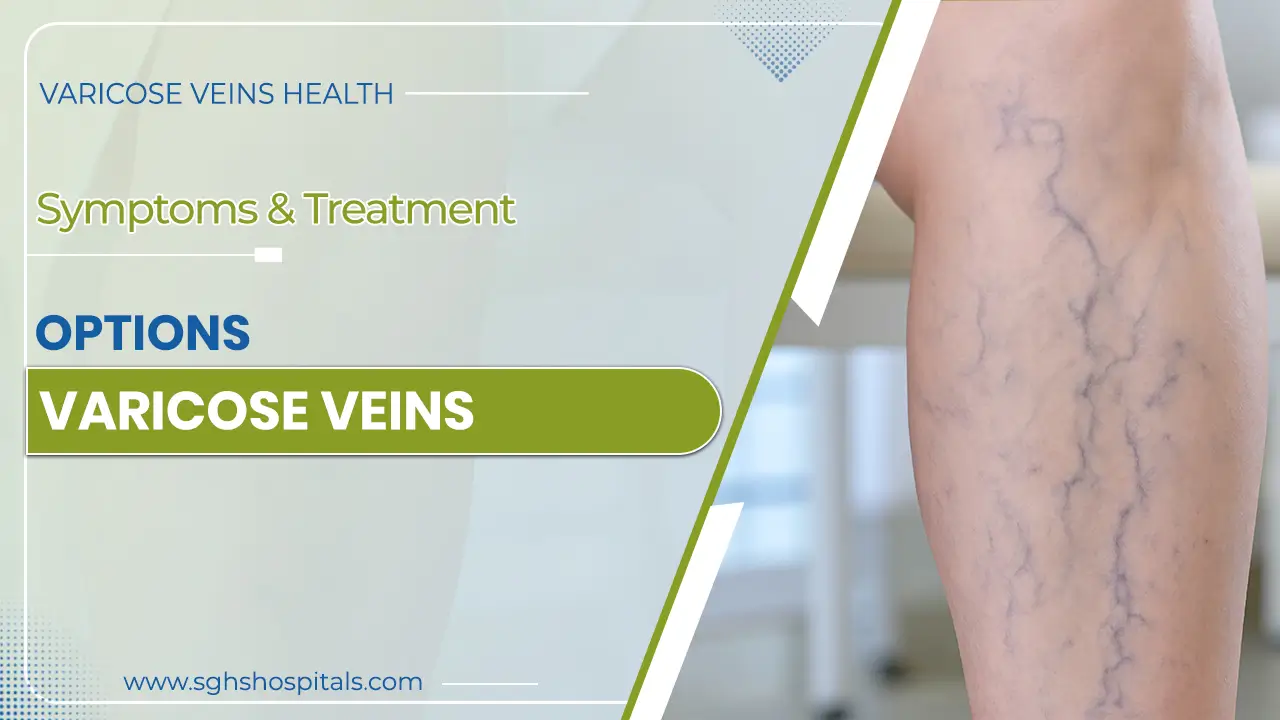
Varicose veins happen when veins tiny, one-way valves inside the veins weaken or get damaged, causing blood to flow backward and pool instead of traveling up to the heart. These look dark bluish, almost purple in appearance, and should be treated as soon as noticed. In this blog we talk about What are varicose veins, What are the symptoms of Varicose Veins, What are the symptoms of Varicose Veins, What are the treatment options available for varicose veins, and how can sohana hospital help with varicose veins.
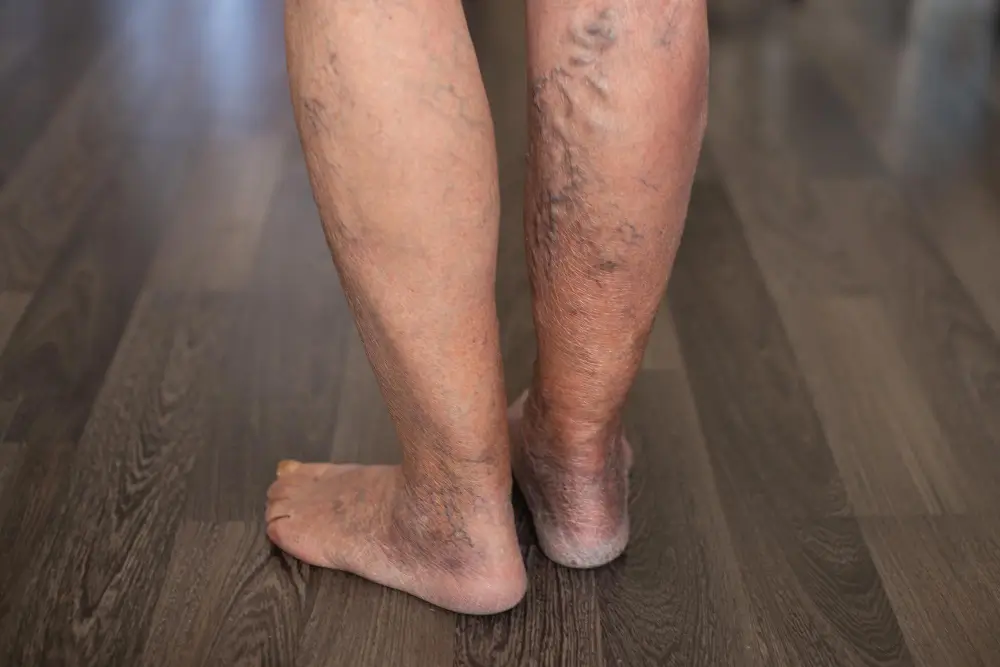
Varicose veins are swollen, twisted, and bulging blood vessels that sit close to the surface of the skin. They commonly appear as blue or purple cords on the legs, feet, and ankles. Varicose veins medical treatment is one of the best ways to get rid of them. Causes and risk factors include malfunctioning internal flaps allowing blood to flow backward from gravity, long periods of standing or sitting increase lower body vein pressure, growing older or having a family history raises your risk, and carrying extra body weight or going through pregnancy adds stress to leg veins.
Variscoe veins occur due to a lot of reasons, their treatment includes varicose veins medical treatment, and their symptoms include
Twisted, swollen, or rope-like veins that look blue or dark purple under your skin.
Discolored brown or red skin, dry and thin skin, or a rash near the ankles.
Slow-healing open sores, known as venous ulcers, forming near the ankle.
A dull, heavy, or sore feeling in your legs, often worse behind your knees
Tired or sluggish leg muscles, especially after long periods of sitting or standing.
Medical treatments for varicose veins include lifestyle changes, compression stockings, and minimally invasive or surgical procedures like sclerotherapy and endovenous thermal ablation. These treatments help in having the right remedies and make getting healthy veins easier. Minimally Invasive Procedures provided by varicose veins medical treatment are:-
Sclerotherapy
Endovenous thermal ablation
Microphlebectomy
Sohana hospital has a wide range of treatments available for varicose veins.Interventional treatment for varicose veins involves minimally invasive procedures like VenaSeal, Varicose Veins Ablation & Varicose Veins Embolization. These methods close off problematic veins, improving blood flow and reducing the appearance of varicose veins, often with no cut, quick recovery and no hospital stay. Varicose veins medical treatment can help with all the right guidance required for
Which is the best treatment for varicose veins?
The best treatments for varicose veins are minimally invasive procedures like endovenous laser ablation (EVLA), radiofrequency ablation (RFA), and sclerotherapy, which close or remove damaged veins. All these treatments help bring the veins back to their normal size.
Can a varicose vein go back to normal?
You can effectively treat them using minimally invasive, in-office procedures to permanently remove or seal the damaged veins. These require proper treatment done by doctors and radio-specialists.
What is the biggest cause of varicose veins?
The main cause of varicose veins is weak or damaged valves inside the veins that allow blood to pool instead of flowing smoothly back to the heart. They can be treated with treatments using heat and shock waves to squeeze the vein back.
Is varicose a serious problem?
Many people only see twisted, blue, or swollen lines under the skin with no pain. But with time they can be dangerous as they can stop the blood flow and cause pain and discomfort. Long-term pressure can break down the skin near the ankles, creating painful open wounds or venous ulcers that are hard to heal.
Reviewed On:
Medically Reviewed By:
Dr. Akhil Monga
Sohana Hospital, Mohali.
Last Updated:
Credentials of the Author:
-MD Internal Medicine
-MD Radiology
-16+ Years of Clinical Experience
-Specialist in Vascular Diagnostics, Treatment & Prevention

Interventional Radiology,Radiology
 SOHANA HOSPITAL