
Written By: Dr. Kapil Dev Doomra
Consultant - Cardiology
Sohana Hospital, Mohali.
Experience: 15+ Years
Speciality: Diagnostic Cardiology
Published: March 24, 2025
Last Updated: March 24, 2025
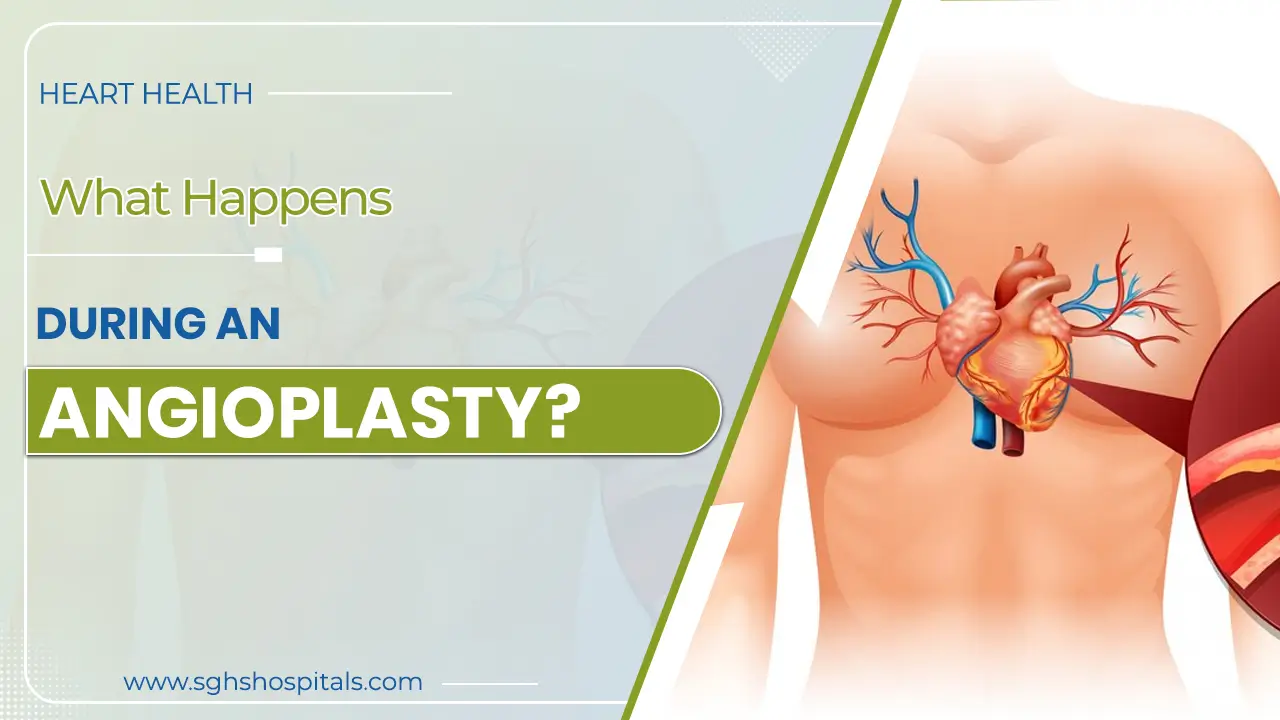
The human heart is like a busy highway and the arteries are the roads which carry the oxygen-rich blood to different parts of the body so that every organ of the body keeps working smoothly. But what happens when these arteries are blocked? This is where the process of Angioplasty comes into play! It clears the traffic jam developed in the ‘roads’, i.e. the arteries of the patient. Angioplasty is a life-saving procedure that removes the blockages from an artery and restores the normal flow of blood to the heart. Whether a patient has been diagnosed with heart disease, experienced chest pain, or a heart attack, angioplasty is one of the most effective ways to open up the clogged arteries and prevent heart failure. However, the mere thought of having an angioplasty might scare a patient and make them anxious, which is very natural. The good news is that angioplasty is a minimally invasive procedure that does not involve any surgery. This complete process takes just a couple of hours, but the results are life-changing! In this article, we will discuss in detail about Coronary angioplasty and the process involved with it.
What is Angioplasty?
An Angioplasty is a minimally invasive procedure that involves large blood vessels known as arteries to let the blood flow easily. It is mostly used to treat the accumulation of plaque in the arteries of a patient. The procedure involves the use of a tiny Balloon angioplasty which can push the plaque in the spots that are blocked or too narrow. As compared to other cardiovascular procedures like bypass surgery, angioplasty is minimally invasive and thus, it is considered safer. Angioplasties are often considered important in order to prevent complications related to heart health.

How to prepare for Angioplasty?
The patients who have been advised for Balloon angioplasty would be given a set of instructions and guidelines by their cardiologist which they might have to follow before the procedure. Some of these instructions might include:
Not eating or drinking anything except water for at least eight hours before the procedure
Adjusting the medications (if any) accordingly
The doctor might be interested to know whether the patient has any history of allergic reactions to anesthesia
Special guidelines are issued for patients who are pregnant
Patients are generally kept under check and made to stay back in the hospital for at least a day after the procedure, however, even in cases where patients are allowed to go home the same day, they are not encouraged to drive themselves.
What happens during the procedure?
The patient is given some medications that help them feel relaxed and at ease, while they are still awake in order to follow the instructions.
Different monitors and other equipment keep a check on the vitals of the patient.
Before Coronary angioplasty, the patient is given general anesthesia at the location where the artery is being accessed. The patient might feel some sort of pressure during the procedure at this spot, but they would not feel any pain.
The Doctors access the artery through a needle and slide a tube through it. Wires and catheters are then passed through this tube to the targeted artery.
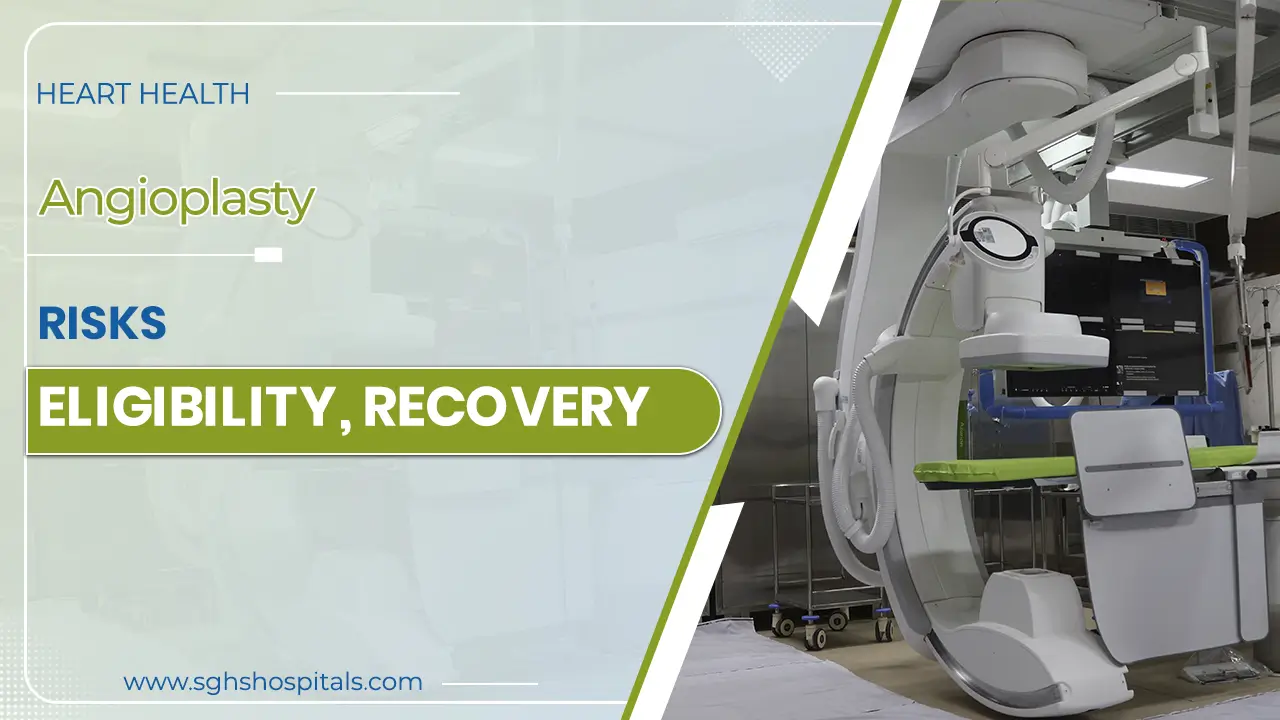
Doctors can clearly see where the wires and catheters are going through a rotating X-ray machine, with the help of which, they inject a dye into the targeted artery.
The imaging process helps the doctors to spot the blockage in the artery, which they pass with the help of a guide wire. The balloon-tipped catheter is then passed to the blockage.
The balloon is inflated briefly in order to improve the blood flow, while constantly viewing real-time images through X-rays. A permanent Angioplasty stent is then put in place, which keeps the artery open after the balloon is removed.
After the completion of the procedure, the Angioplasty balloon catheter is removed and the area where the catheter was inserted is covered with the help of bandages. This entire procedure can roughly take anywhere from 30 minutes to a couple of hours depending on the cases.
Patients might feel tired and drained out after the procedure. Hence, it is advised for them to take plenty of rest and drink plenty of fluids. Doctors might also advise them to limit their physical activities for a couple of days. Usually, the wound caused due to the insertion of the catheter would be bruised for a week, but will be better soon after that. Blood thinners like Aspirin might also be advised after an Angioplasty. Most of the patients usually get back to work and their daily life activities by a week or so.
If you are looking for the Best hospital for angioplasty or the Best Cardiology doctors in Mohali, Sohana Hospital might just be the right option for you. Sohana Hospital Mohali boasts of the world’s most advanced cutting-edge technology and North India’s most trusted and experienced heart and cardiovascular specialists who provide the most comprehensive care for all the cardiovascular needs of the region. Book your appointment today to take the first step towards a healthy heart!
Is angioplasty very painful?
Angioplasty is generally not a painful procedure because doctors use a local anesthetic to numb the area where the catheter goes into your skin. The procedure includes discomforts like Numbing injection, catheter insertion, contrast dye, and balloon dye, and the recovery looks like Soreness, stiffness, and relief.
How can Sohana hospital help with angioplasty?
Sohana hospital has a wide range of treatment for all heart related issues including an angioplasty, making sure they provide the right guidance to all your heart problems. Their expert doctors and medical professionals make sure you have all of the things and treatments procedures required for better heart and overall health.
How many days of bed rest after angioplasty?
Recovery looks different for everyone, most patients stay in the hospital for 1 to 2 days (or 24 to 48 hours) following an uncomplicated angioplasty. Recovery at Home takes light walking and minimal stair climbing, combined with avoiding strenuous lifting or intense exercise.
What is the success rate of angioplasty?
The procedural success rate for coronary angioplasty is over 90% to 95%, making it a highly effective and safe treatment for opening blocked arteries. Key survival rates, and factors include Complexity of Blockage, Patient history, Restenosis, and Procedural Survival.
What is the best position to sleep after angioplasty?
Sleeping on your back with your upper body slightly elevated is the best and usually the safest position after angioplasty. You can discuss sleeping positions and recovery factors with the Best Cardiology doctors in Mohali.
Medically Reviewed By: Dr. Harpreet Singh Gilhotra
Director Cardiology
Sohana Hospital, Mohali.
Credentials of the Reviewer:
-DM Cardiology
-20+ Years of Clinical Experience
-Specialist in Cardiac Diagnostics, Treatment & Prevention

Cardiology & Cardiac Surgery




 SOHANA HOSPITAL