
Written By: Dr. Karan Pal Singh Chahal
Consultant - Cardiology
Sohana Hospital, Mohali.
Experience: 12+ Years
Published: July 30, 2025
Last Updated: July 30, 2025
The heart of a person beats 100,000 times daily in order to keep them alive and functioning. However, in the case of some people, the electrical system of the heart becomes impaired or weak, which results in the heart becoming too slow, too fast, or irregular. In such circumstances, a pacemaker becomes a life-saving device for the patient. However, patients and their caregivers might sometimes wonder what a Pacemaker actually is, and which conditions necessitate its need. In this article, we will discuss precisely the same.
What is a pacemaker?
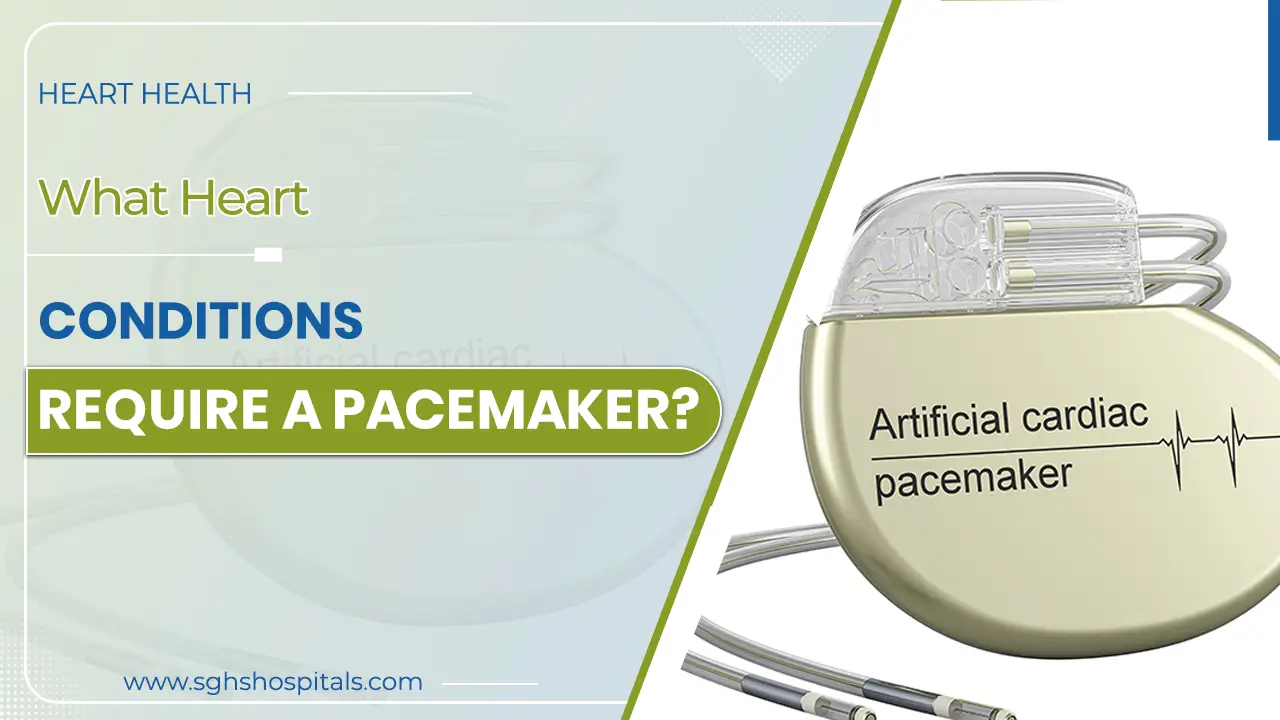
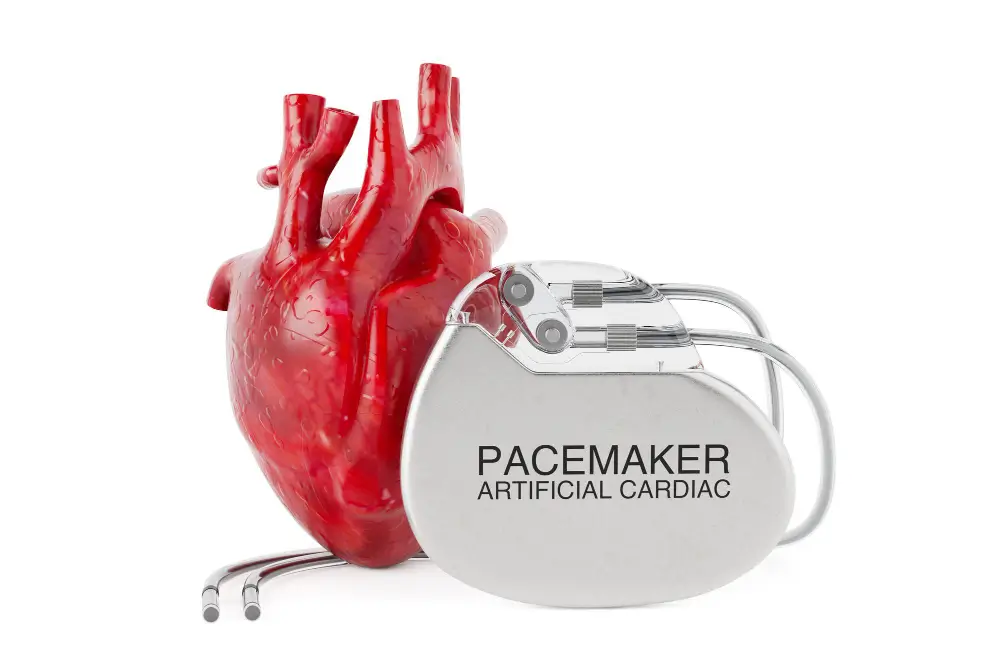
A Cardiac Pacemaker is a small electrical device that is operated with the help of a battery. It is placed just below the skin of the chest of a patient. It sends electrical impulses to the heart muscles in order to signal them to beat normally. It constantly keeps a track of the heartbeats of the patient and gets activated only when it detects an abnormality in the heartbeats of the patient, for example, when the heartbeats are too slow. Modern pacemakers are highly advanced, programmable, and tailored to individual needs, while some of them are used for emergencies, others are made in a way so that they can keep on working for years to come.
Which heart conditions require a pacemaker?
Bradycardia (Slow Heartbeat): This is a condition in which the heart starts to beat too slowly to be able to pump oxygen-rich blood to different parts of the body. It is the most common cause of putting a pacemaker in a patient.
Heart Block: This condition occurs when the electrical signals are completely or partially blocked between the upper and the lower chambers of the heart. Under such conditions, installation of a pacemaker might be essential to ensure proper signal sharing between both chambers.
Atrial Fibrillation with Slow Ventricular Response: In patients with this condition, a Cardiac Pacemaker can help the patient by keeping in check the ventricular response of the lower chamber of the heart.
Tachy-Brady Syndrome: This is a condition in which the heart starts to beat too fast or too slow alternatively. In such a condition, a pacemaker helps by preventing the heartbeat from slowing down.
Congenital Heart Disease: In people born with certain defects of the heart, a pacemaker can be an important part of the long-term management strategy of the condition.
Post-Cardiac Surgery or Heart Attack: A pacemaker might be required temporarily or permanently after a heart attack, depending upon the particular case of the patient and the extent of damage to the heart.
If you are looking for the Best Heart Hospital Chandigarh or the Best Cardiologist in Chandigarh, Sohana Hospital might be the right option for you. Sohana Hospital Mohali is home to the World’s Most Advanced Technology and North India’s most trusted and renowned heart specialists who provide the most comprehensive and holistic care for all the heart health needs of the patients in the region with the most patient-centric and compassionate approach! Book your appointment today and take the first step towards a healthy heart and a healthy life!
What are the signs you need a pacemaker?
You know you might need a pacemaker when your heart beats too slowly or loses its normal rhythm, causing your body to lack proper blood and oxygen. Common warning signs include lightheadedness, fainting, and extreme fatigue, all these can be treated with the help of a Best Heart Hospital Chandigarh.
How can Sohana hospital help with a pacemaker?
Sohana Hospital has a wide range of treatment for medical conditions including pacemakers and angiography making sure you have all the treatment required for your heart disease.
What is the most common reason to get a pacemaker?
The most common reason to get a pacemaker is bradycardia, a condition where the heart beats too slowly or pauses. Bradycardia Happens because of Sinus node dysfunction, and heart blockage.
Is there an alternative to having a pacemaker?
Medications, lifestyle changes, and alternative medical procedures, serve as alternatives to traditional pacemakers depending on the specific heart rhythm disorder. Medical and Procedural Alternatives include medication adjustments, cardioneuroablation, and leafless pacemakers.
What happens if you choose not to have a pacemaker?
Without a pacemaker a dangerously slow or irregular heartbeat can leave your organs short of oxygen, leading to severe symptoms and life-threatening risks. Extreme fatigue and a constant lack of energy, frequent dizziness or lightheadedness, fainting spells, and shortness of breath.
Medically Reviewed By: Dr. Harpreet Singh Gilhotra
Director Cardiology
Sohana Hospital, Mohali.
Credentials of the Author:
-MD Internal Medicine
-DM Cardiology
-25+ Years of Clinical Experience
-Specialist in Cardiac Diagnostics, Treatment & Prevention

Cardiology & Cardiac Surgery
 SOHANA HOSPITAL