
Written By: Dr. Swatantra Gupta
Consultant - Gastroenterology
Sohana Hospital, Mohali.
Experience: 15+ Years
Speciality: Gastroenterology
Published: 8 August 2025
Last Updated: 8 August 2025
As technology has improved over the past few decades, modern medicine has made many advancements towards better and less invasive approaches to diagnosing gastrointestinal issues. One of these advances is capsule endoscopy, which offers a stress-free diagnostic approach to patients. It involves a small, swallowable camera that is used to capture images of the digestive tract of the patient, typically the small intestine. In this article, we will discuss in detail capsule endoscopy, its process, and uses.
What Is Capsule Endoscopy?
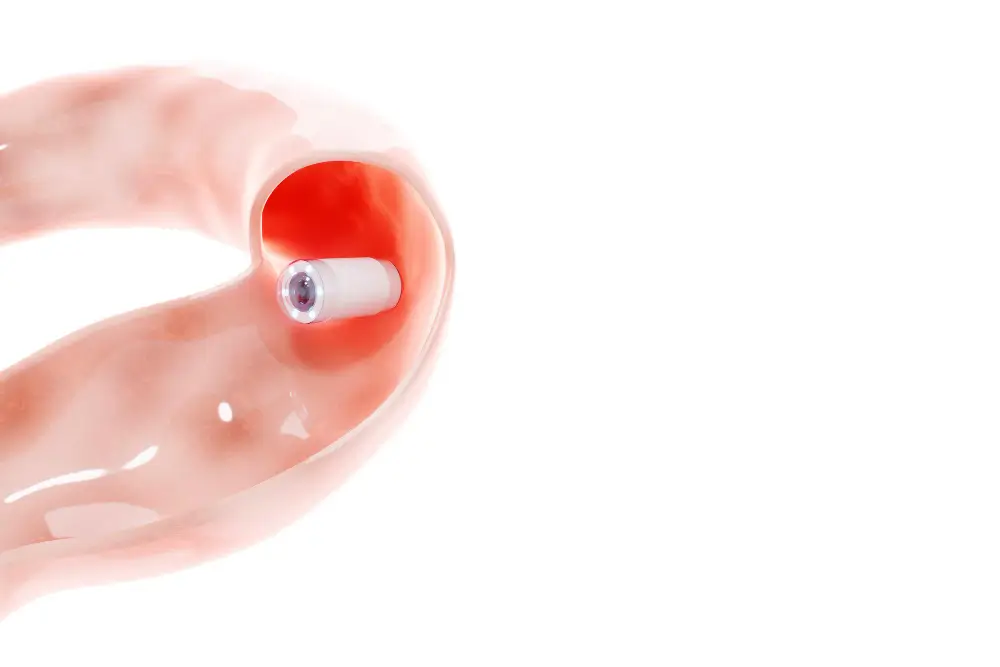
Capsule endoscopy is a non-invasive test that creates thousands of pictures while the tiny camera, about the size of a large vitamin pill, moves through the digestive tract. After swallowing the capsule, it naturally moves through the stomach and small intestine with tiny, high-resolution cameras and takes pictures along the way. The capsule is connected to a recorder that your physician gives you to wear on your waist, and the pictures are sent to the recorder when the capsule camera captures them. Compared to conventional endoscopy, where a long tube is inserted in the mouth or rectum, capsule endoscopy is painless and does not require sedation.
What is the purpose of capsule endoscopy?
The capsule endoscopy test near me is a powerful examination method for the small intestine, which is usually less accessible than the other parts of the gastrointestinal tract. A capsule endoscopy may be recommended for any of the following indications:
Unexplained GI Bleeding
If a patient has bleeding in their GI tract and all significant residual exams (colonoscopy or upper endoscopy) are negative for the cause, a capsule endoscopy may be necessary to evaluate the small intestine.
Diagnosis of Crohn’s Disease
Medication for Crohn’s disease might start without capsule endoscopy; however, in cases where necessary or likely, it may often be used if patients have a capsulitis and other imaging does not provide a definitive diagnosis.
Diagnosis of Small Bowel Tumor or Polyps
Capsule endoscopy may be used in case of patients with a suspected small bowel tumor or polyps. The capsule endoscopy test may facilitate the diagnosis of other abnormal mass-like structures in the small bowel, which may mediate detection or excision.
Monitoring Celiac Disease
Some patients with highly symptomatic or refractory celiac disease may be candidates for capsule endoscopy to evaluate bowel pathology and oligoclonal damage to the intestinal lining.
Diagnosis of Anemia
In a presentation of iron-deficient anemia, when an indeterminate cause exists, longitudinal capsule endoscopy may be used to formally evaluate the potential for indeterminate small bowel bleeding sources.
If you are looking for the Best Gastroenterologists in Mohali, or the Best Endoscopic ultrasound Hospital in Mohali, Sohana Hospital might just be the right option for you. Sohana Hospital Mohali is home to the world’s most advanced, cutting-edge technology and North India’s most trusted and experienced Gastroenterologists who provide the most comprehensive and holistic treatment for all the Gastrointestinal ailments of the patients in the region. Book your appointment today and take the first step towards a happier and healthier life!
Why would a doctor order a capsule endoscopy?
A doctor orders a capsule endoscopy primarily to examine the small intestine, an area that standard upper endoscopy and colonoscopy tools cannot easily reach. Your Gastroenterologist can tell you what's the real problem for which an endoscopy is performed.
How can Sohana hospital help with endoscopy?
Sohana hospital has a number of facilities that can be used to treat the diseases detected by endoscopy. Their expert set of doctors and medical experts can help you with the required methods and ways to treat gastric issues diagnosed with the help of the test.
Can I eat normally after a capsule endoscopy?
No, you cannot eat normally right away; you must follow a gradual timeline during the test before returning to a regular diet after about 8 hours. Your gastroenterologist can help you understand the right way to recover for capsule endoscopy.
Does it hurt to pass a capsule endoscopy?
A capsule endoscopy is done usually with the device that is small, smooth, and moves naturally through your digestive tract without sharp edges or surgical incisions. The capsule usually leaves the body within 24 to 72 hours after you swallow it. Once it passes, you can simply flush it down the toilet, to be free of the capsule.
What not to do after an endoscopy?
It is advised not to eat anything until after your throat numbness wears off, and medical staff test your ability to swallow. Activities and Decisions to Avoid include driving or traveling alone, operating machinery, making major decisions, drinking alcohol, and strenuous exercise.
Medically Reviewed By: Dr. JP Singh Saini
Sohana Hospital, Mohali.
Credentials of the Reviewer:
-MD Internal Medicine
-DM Gastroenterology
-10+ Years of Clinical Experience
-Specialist in Gastric Diagnostics, Treatment & Prevention

Gastroenterology
 SOHANA HOSPITAL