
Written By: Dr. Kapil Dev Doomra
Consultant - Cardiology
Sohana Hospital, Mohali.
Experience: 15+ Years
Speciality: Diagnostic Cardiology
Published: November 13, 2025
Last Updated: November 13, 2025
A human heart is constructed of some of the most complex electrical systems known to man. The cardiovascular conduction system transmits electrical signals that control the heart rate and rhythm, ensuring coordinated contractions of the heart chambers. If you’ve experienced a sudden shift in the rhythm of your heart, there are some chances that you have ‘Arrythmia’ – a cardiovascular disease that could be triggered by various factors, including physical activity, stress, anxiety, certain medications, and certain medical conditions.
What is a Pacemaker?
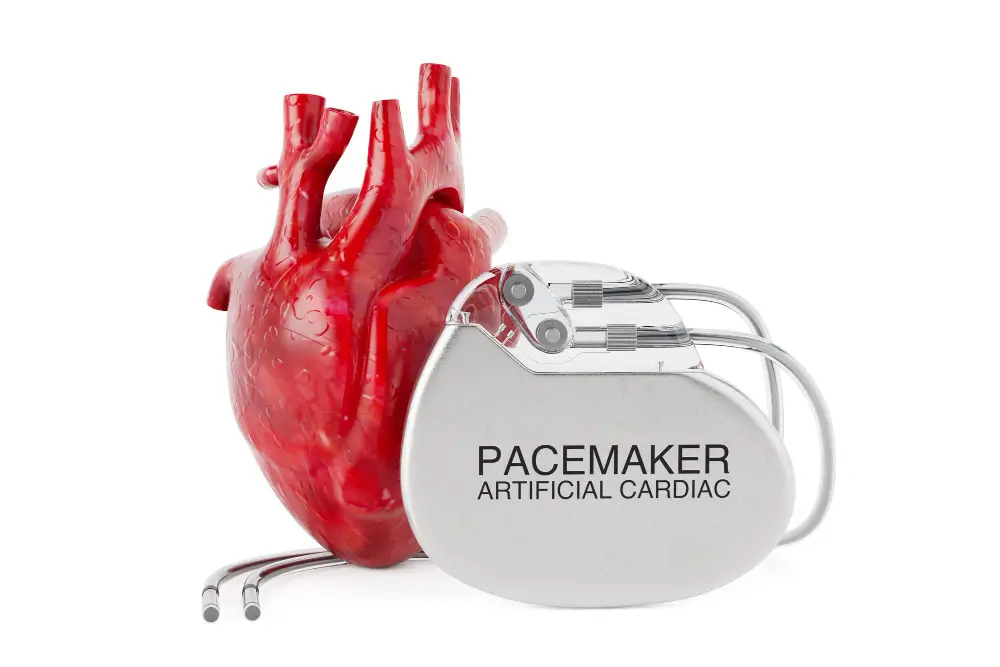
A pacemaker is a small device that’s implanted under the skin by the Best cardiology doctor in Mohali typically in the chest. It consists of two main components: the pulse generator and the leads. The pulse generator is the battery-powered device that produces electrical impulses, while the leads are thin, insulated wires that carry these impulses to the heart.
In What Cardiac Conditions Is A Pacemaker Implantation Indicated?
A pacemaker is required in situations where the heart’s natural pacemaker, the sinoatrial (SA) node is not functioning correctly. This can occur due to 6 main cardiovascular conditions, including:
1. Bradycardia: A slow heart rate, typically less than 60 beats per minute.
2. Tachy-Brady Syndrome: A condition where the heart rate alternates between fast and slow.
3. Heart Block: A condition where the electrical signals from the SA node are blocked, preventing them from reaching the ventricles.
4. Atrioventricular (AV) Block: A condition where the electrical signals from the atria are blocked, preventing them from reaching the ventricles.
5. Long QT Syndrome: A condition where the heart takes longer than usual to recharge between beats.
6. Cardiac Arrest: A life-threatening condition where the heart suddenly stops beating in which case the patient must be rushed to Cardiology hospital near me resuscitate.
Why Consider Getting Heart Pacemaker Surgery? : Benefits of a Pacemaker
A pacemaker can significantly improve the quality of life for patients with heart conditions. Some of the benefits include:
1. Regulated Heartbeat: A pacemaker ensures a consistent and normal heart rate.
2. Improved Symptoms: Pacemakers can alleviate symptoms such as fatigue, dizziness, and shortness of breath.
3. Increased Energy: With a regulated heartbeat, patients can enjoy increased energy levels and improved physical activity.
4. Reduced Risk of Complications: Pacemakers can reduce the risk of complications such as cardiac arrest, stroke, and heart failure.
5. No Use of General Anesthesia : It is typically performed under local anesthesia, meaning the patient will be awake during the procedure but the area will be numb with some sedation to relax the patient.
Managing Your Thoughts : What to Expect During Heart Pacemaker Surgery?
Pacemaker implantation is a relatively straightforward procedure performed by Best cardiology doctor in Mohali that’s typically performed under local anesthesia. Here’s what to expect:
1. Pre-Procedure Preparation: The patient will undergo various tests, including an electrocardiogram (ECG) and blood tests.
2. Implantation: The pacemaker is implanted under the skin, typically in the chest.
3. Lead Placement: The leads are inserted through a vein and guided to the heart.
4. Pacemaker Programming: The pacemaker is programmed to meet the patient’s specific needs.
5. Recovery: The patient will need to rest for a few hours after the procedure and avoid heavy lifting or strenuous activity for several weeks.
With the rapid advancement in medical technology at Sohana Hospital Mohali, even the tiniest of devices can help regulate the complex structure that the heart is. A pacemaker is one such life-saving device that is required in situations where the heart’s natural pacemaker is not functioning correctly. By consulting the Best Cardiologist in Chandigarh and understanding the conditions that necessitate pacemaker use, patients can seek medical attention promptly, improving their quality of life and reducing the risk of complications. If you’re experiencing symptoms of a heart condition, consult with the best cardiologist near me at Sohana Hospital Mohali, counted amongst the Best Heart Hospital Chandigarh to determine if a heart pacemaker surgery is the right option for you
What are signs you need a pacemaker?
You know if you need a pacemaker through a medical evaluation of your symptoms and heart tests performed by a doctor. Common symptoms include Dizziness or lightheadedness, Fainting or near-fainting spells, persistent fatigue, and heart palpitations.
How can sohana hospital with a pacemaker?
Sohana hospital has a wide range of treatment for all cardio related issues, and the devices required to make your heart health better again, if not more. Their expert set of doctors and medical professionals make sure you have the best treatment for your conditions.
What is the most common age for a pacemaker?
The typical age range for recipients spans roughly 75 years of age, with major decisions taken by your cardiologist. Age defines factors like degenerative conditions, medical necessity, and congenital or specific electrical defects.
Is there an alternative to having a pacemaker?
Medications, lifestyle adjustments, or alternative medical procedures can sometimes replace a traditional pacemaker depending on your exact heart condition. Medical and lifestyle alternatives include treating underlying causes like electrolyte imbalances, thyroid issues, or other metabolic problems.
Can sleeping position affect a pacemaker?
While it does not cause any harm, or alter the function of a pacemaker, physical discomfort or unusual sensations during the initial healing period are often observed. These can be avoided after consulting with your cardiologist. Reviewed On:
Medically Reviewed By: Dr. Harpreet Singh Gilhotra
Director Cardiology
Sohana Hospital, Mohali.
Last Updated:
Credentials of the Reviewer:
-DM Cardiology
-20+ Years of Clinical Experience
-Specialist in Cardiac Diagnostics, Treatment & Prevention

Cardiology & Cardiac Surgery
 SOHANA HOSPITAL