Written By: Dr. Akhil Monga
Consultant - Neuro & Vascular Interventional Radiology
Sohana Hospital, Mohali.
Experience: 15+ Years
Published: July 31, 2025
Last Updated: July 31, 2025
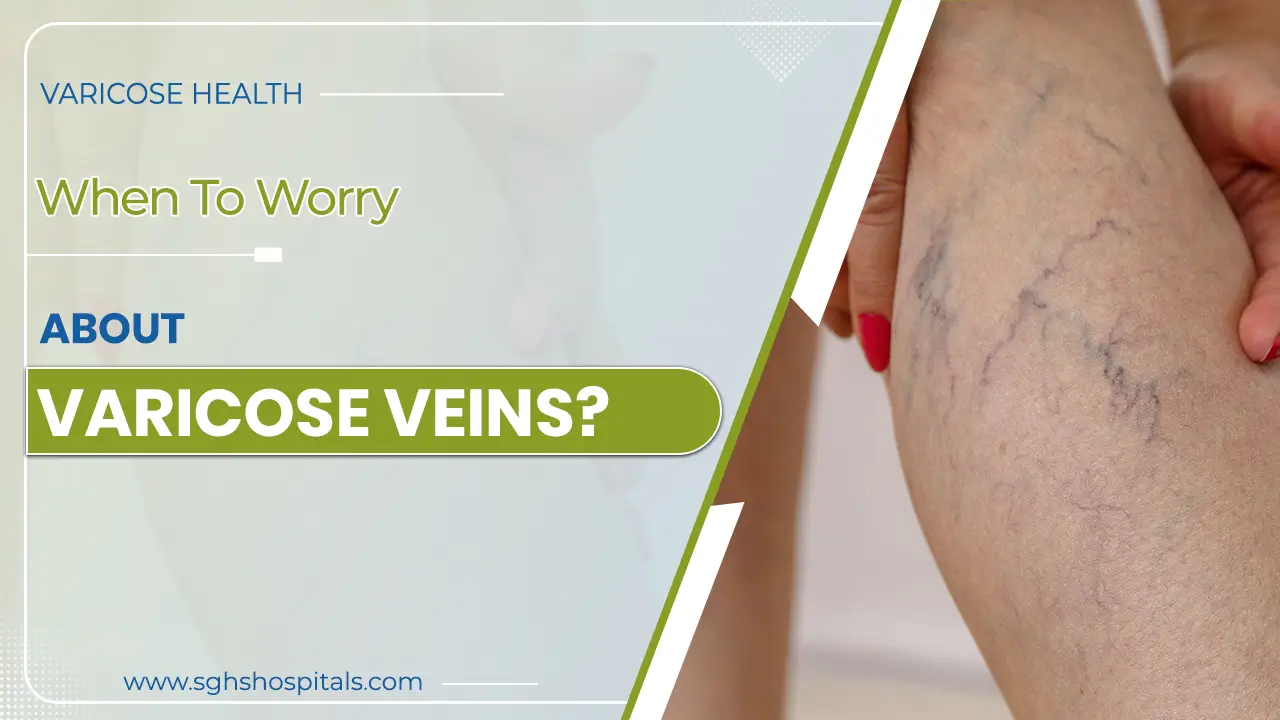
More often than not, patients who have varicose veins keep dismissing them as just a cosmetic concern until they start to get worse and hamper their daily routines. It is because of the delay in treatment that a large number of patients with varicose veins suffer from more severe symptoms such as pain and swelling in the legs, which negatively impact their quality of life. In this article, we will discuss in detail the problem of varicose veins, its symptoms, and the signs that suggest it is time for the patient to seek expert advice from a Varicose veins specialist.
What Are Varicose Veins?
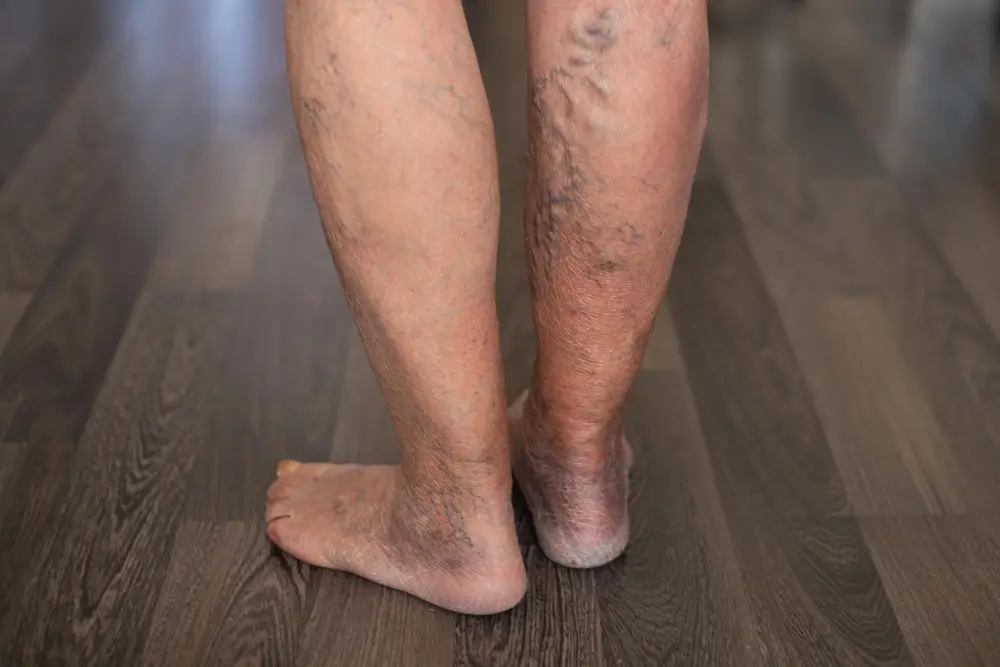
Varicose veins are swollen blood vessels that are seen beneath the skin of the patients, especially in varicose veins legs. They can become bulged beneath the skin of the feet, ankles, or legs and are usually dark blue or purple in colour. Varicose veins can sometimes be accompanied by spider veins, which are smaller, red ones closer to the surface of the skin. These veins can be painful or itchy. Varicose vein patients feel it is a cosmetic concern; however, in some cases, it may create serious complications for patients. Varicose vein patients may be relieved to learn they are not alone facing varicose veins, as varicose veins are a common problem among patients.
What are the signs and symptoms that are associated with varicose veins?
Apart from the most distinguishing sign of varicose veins, which is the swollen, purple lines that surface of the skin of the patient, there are a few additional signs and symptoms to note.
Swollen veins: Some twisted, swollen, or rope-like veins that might likely appear clustered together. Smaller red veins that could be referred to as spider veins may also appear slightly around the swollen veins.
Heaviness: Patients might feel as though the muscles in the legs that have varicose veins seem heavy, tired, or fatigued, especially after performing any physical effort.
Itchiness: The surrounding area of Varicose veins may become itchy.
Pain and swelling: The location of the affected area, which is generally referred to as holes on the distal lower extremities, may become painful, achy, and/or sore; the legs and ankles may be swollen and throbbing.
Discoloration of skin: Varicose veins may lead to some discoloration of the skin and may even become an ulcer.
When to worry about Varicose Veins?
For some patients, varicose veins can go on to become a more severe problem if Varicose veins treatment is not started in time. The signs of varicose veins getting worse include:
Dull, Throbbing Pain
If a patient has dull, achy, throbbing, or burning pain in their legs that is persistent or worsening, or awakens them during the night, it may be very advanced venous insufficiency. This is particularly concerning if it is affecting their daily routine.
Leg or Ankle Swelling
If a patient has an inexplicably swollen leg or ankle that is worsening or doesn’t get better with resting, it could mean that their veins are no longer efficiently returning blood to their heart.
Skin Discoloration or Ulcers
If a patient notices darkening skin, itching, or open sores (venous ulcers) that appear on or near their ankles, they should consult with their doctor immediately. The above signs can be an indication that the venous insufficiency is chronic; furthermore, it could lead to skin infections or poor healing of wounds.
Bleeding from a Varicose Vein
If patients are bleeding from a vein that is right below the surface of their skin (and it could be very minuscule amounts), this is an emergency, and they must get attention immediately. These veins can bleed profusely and get beyond their control quickly.
Hard Lump
If they have hard veins, or veins that are very warm to the touch, along with redness or tenderness, this may indicate superficial thrombophlebitis (the vein has submitted to inflammation, possibly due to a varicose veins blood clot).
If you are looking for the Best hospital for varicose vein treatment in Mohali or the best varicose veins specialist in Chandigarh, Sohana Hospital might be the right option for you. Sohana Hospital Mohali is home to the world’s most advanced cutting-edge technology and North India’s most trusted and renowned Varicose Veins specialists who provide the most comprehensive treatment for varicose veins. Book your appointment today and take the first step towards a more comfortable life.
How to know if varicose veins are serious?
Varicose veins become a serious medical concern when they cause constant pain, severe leg swelling, skin color changes, or open sores. Signs of advanced vein disease include Persistent pain, leg swelling, skin changes, and night cramps.
How can Sohana hospital help with Varicose veins?
Sohana hospital has a wide range of treatments for varicose veins, Their expert set of doctors and Interventional Radiologists that can help with treating varicose veins the right way. Their treatments involve minimally invasive procedures like VenaSeal, Varicose Veins Ablation & Varicose Veins Embolization.
Can a varicose vein go back to normal?
No, established varicose veins do not go back to normal on their own, except in some cases related to pregnancy. Varicose veins do not reverse due to reasons like damaged valves, blood pooling, and permanent structure.
What foods should I avoid if I have varicose veins?
Foods high in sodium, added sugars, and refined carbohydrates can worsen varicose veins by causing water retention, inflammation, and weight gain that strain your blood vessels. These foods should be avoided to prevent any further damage.
What is the biggest cause of varicose veins?
The main direct cause of varicose veins is weak or damaged one-way valves inside your blood vessels that fail to push blood up toward your heart. This often causes the blood to pool and stretch the vein carrying it. Treatment includes shrinking these veins.
Medically Reviewed By: Dr. Akhil Monga
Sohana Hospital, Mohali.
Last Updated:
Credentials of the Author:
-MD Internal Medicine
-MD Radiology
-16+ Years of Clinical Experience
-Specialist in Vascular Diagnostics, Treatment & Prevention

Interventional Radiology,Radiology
 SOHANA HOSPITAL