
Written By: Dr. Akhil Monga
Consultant - Neuro & Vascular Interventional Radiology
Sohana Hospital, Mohali.
Experience: 10+ Years
Published: November 4, 2025
Last Updated: November 4, 2025
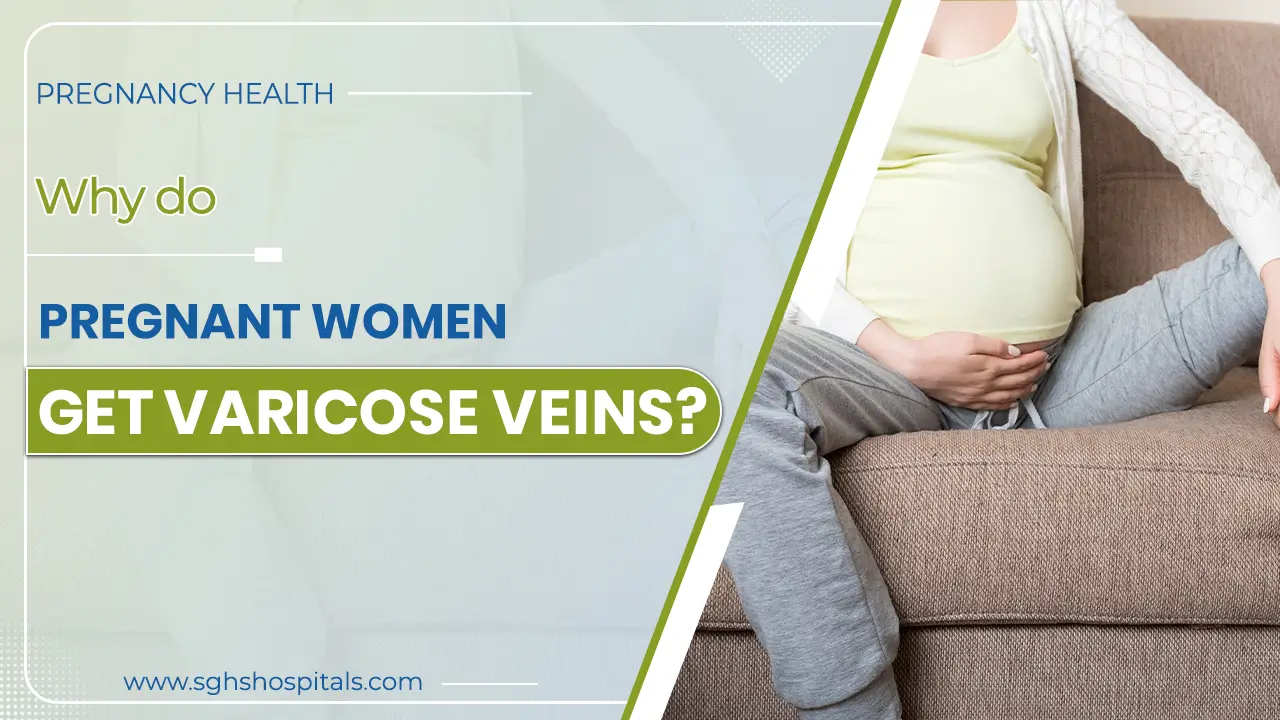
Pregnancy is a thrilling period in a woman’s life. It is a beautiful process; however, it does change a woman’s body in many ways. Varicose veins are a common side effect of pregnancy for women. Varicose veins are swollen and twisted veins that can occur in the legs and feet, and while varicose veins are frequent and not always a concern, they can present discomfort or heaviness at times. Learning what causes varicose veins can help manage varicose veins to help promote a healthier experience in your pregnancy. In this article, we will discuss varicose veins and possible treatment options in depth.
Why Do Varicose Veins Develop During Pregnancy?
According to Varicose veins specialist, a pregnant body is filled with blood to make enough blood for the little human inside, combined with the hormonal changes. With all the extra blood flow, the veins experience extra pressure, which can impact the cyclical blood volume returning to the heart from the legs. Combined with a bigger uterus, the more pressure on those veins in the pelvis drains out any blood back to the heart. Additionally, during that time when the uterus is bigger, certain pregnancy hormones, such as progesterone, lead to the development of varicose veins.

Symptoms of Varicose Veins
Varicose veins can be described as a bulging vein appearing on the leg and may have a distinct blue or purple color. Women may have accompanying symptoms of heaviness, aching, swelling, itching, or cramping, especially after prolonged standing/ sitting with varicose vein symptoms, which are typically harmless in pregnancy. Women should be mindful to promptly notify the best doctor for varicose veins if they experience significant pain, sudden swelling, or changes to the skin in the leg, which can suggest potential complications such as deep vein thrombosis (DVT).
How to manage Varicose Veins in Pregnancy?
Be Active: Walking, swimming, and prenatal yoga can all help get the blood pumping and reduce pooling of blood in the extremities.
Resting Legs: Make sure to take some time throughout your day to rest your legs above the heart level. This will relieve pressure on your veins and assist with some swelling.
Wear Compression Stockings: Medical-grade Compression stockings for varicose veins have been shown to be very effective, improving circulation and reducing soreness. The physician may recommend using it daily.
Sleep on the Left Side: This puts less pressure from the uterus on the main vein that sends blood back to the heart, improving circulation in your legs.
If you are looking for the Best Hospital for Gynecology treatment in Mohali, or the Best gynecologist in Chandigarh, Sohana Hospital might just be the best option for you. Sohana Hospital Mohali is home to the world’s most advanced technology and North India’s most trusted and experienced Varicose Veins Specialists and Gynecologists who provide the most comprehensive and holistic care for women during the most important moments of their lives. Book your appointment today!
How can I prevent varicose veins during pregnancy?
Preventing varicose veins can help in many ways, to help prevent or minimize varicose veins during pregnancy, you should focus on improving your blood circulation and reducing the physical pressure on your lower body veins.
How can Sohana hospital help with varicose veins?
Sohana Hospital has a wide range of treatment for varicose veins with help of internationally trained medical doctors and advanced treatment. They make sure you get the best treatment for your case of varicose veins.
How can I treat varicose veins during pregnancy?
Medical procedures like sclerotherapy, laser ablation, and vein surgery are strictly avoided during pregnancy because they carry unnecessary risks for the baby and increase the mother's risk of blood clots. Instead, healthcare providers manage pregnancy-related varicose veins exclusively using non-invasive, conservative home care methods.
Can you live a healthy life with varicose veins?
Yes, you can live a full and healthy life with varicose veins, as they are generally not life-threatening, though they require proper management to prevent discomfort and complications.
Can drinking more water help varicose veins?
Drinking more water cannot cure or remove varicose veins that have already formed, but it can improve blood flow and ease symptoms like swelling and cramping. Hydration Affects Varicose Veins by making blood thicker and more sluggish, which increases pressure inside your veins.
Medically Reviewed By: Dr. Hena Dhingra
Sohana Hospital, Mohali.
Credentials of the Author:
-MD Internal Medicine
-DM Obstetrics & Gynaecology
-16+ Years of Clinical Experience
-Specialist in gynaecologic Diagnostics, Treatment & Prevention

Interventional Radiology
 SOHANA HOSPITAL