
Written By: Dr. Hena Dhingra
Consultant - Gynaecology
Sohana Hospital, Mohali.
Experience: 15+ Years
Speciality: Obstetrics and Gynaecology
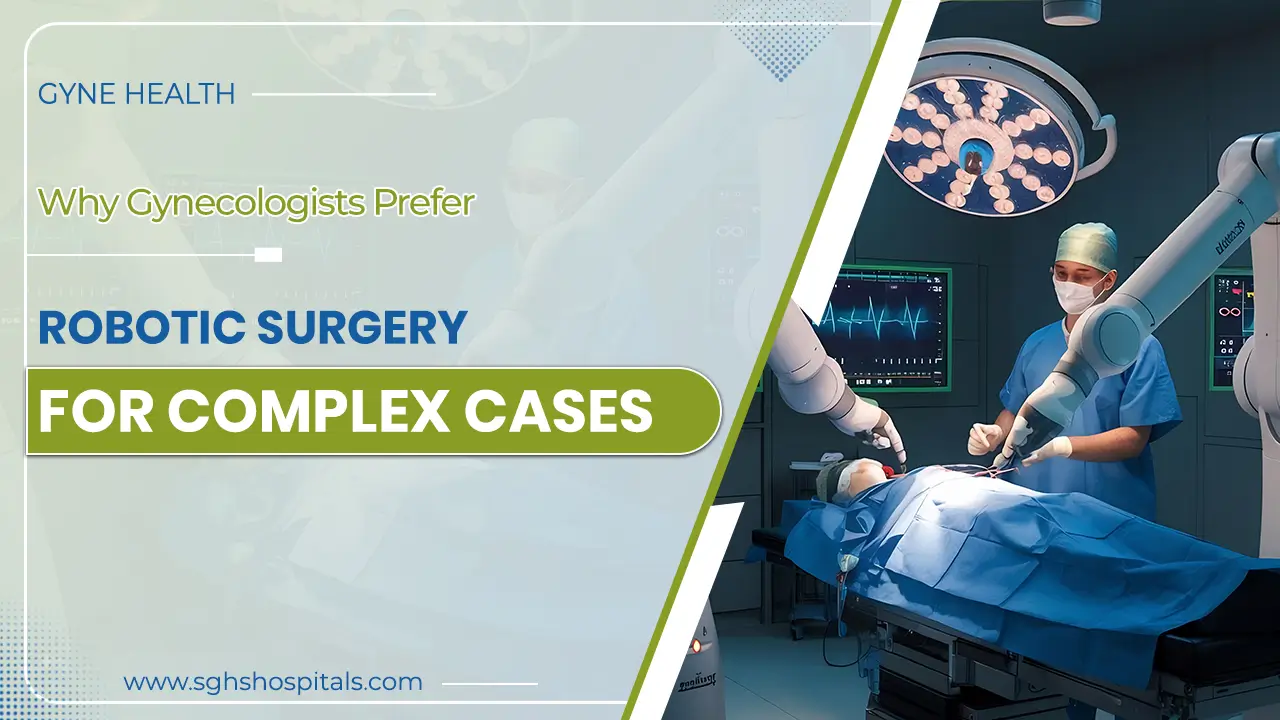
Over the past decade in the field of gynecology, there have been notable advances, especially with regard to the use of robotic-assisted surgery. Robotic surgery is becoming more popular among gynecologists, particularly for complex gynecological conditions, including large fibroids, advanced-stage endometriosis, uterine prolapse, and female cancers. There are several reasons for this increase in preference for robotic surgery among gynecologists, including improved accuracy in surgery, increased patient safety, and improved postoperative recovery. In this article, we will discuss in detail the different advantages that robotic surgery provides for gynecological procedures, backed by Advanced robotic surgery expert.
Increased Precision for Complex Cases
Many complex gynecological surgical cases involve abnormal pelvic anatomies, dense scar tissue due to prior surgeries, or fragile structures such as blood vessels, nerves, and reproductive organs. The use of robotic-assisted surgery allows the surgeon to visualize the anatomy in real-time through high-definition, 3D, magnified visualization systems. This enhanced ability to view the surgical anatomy allows gynecologists to perform complex surgeries with increased accuracy and confidence, which reduces the chance of unintentional harm to the surrounding anatomy during these surgeries.
Increased Surgical Dexterity and Control
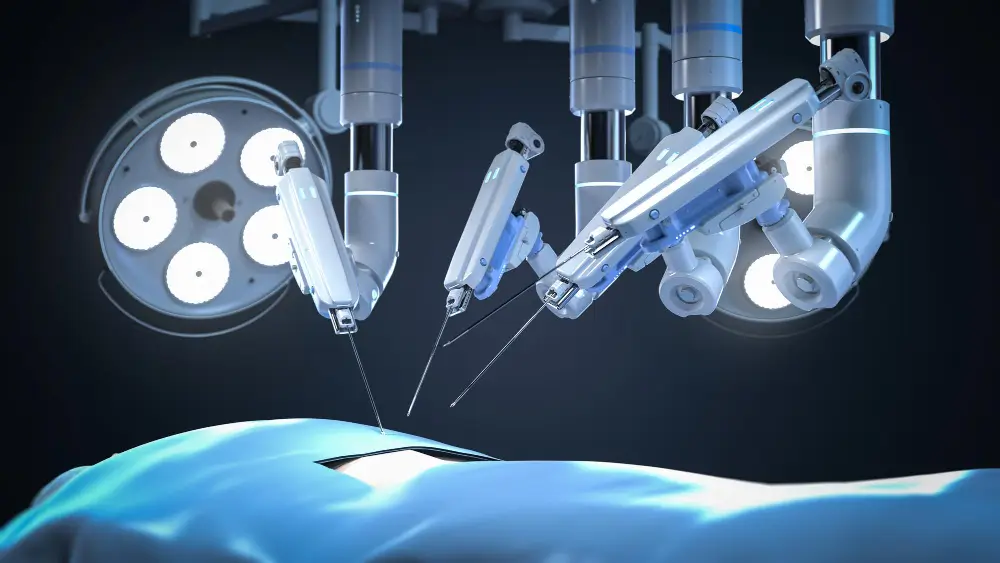
During robotic surgery, surgeons use robotic systems that replicate the natural motions of the human hand but can also move beyond the human anatomical limits. Robotic instruments can rotate and articulate at a considerable number of angles and depths greater than can be achieved with traditional laparoscopic devices. Increased surgical dexterity and control associated with robotic-assisted surgery are extremely important for gynecologists who are performing complex operations, such as closing deep-seated sutures, extracting deep-seated fibroids, or removing endometriosis located in difficult-to-reach locations
Enhanced Surgical Precision and Reduced Blood Loss
According to Advanced robotic surgery expert, one major aspect of difficult gynecological surgeries is blood loss. With robotic surgery, surgeons are able to perform meticulous dissection and cauterization of blood vessels, which greatly reduces the blood loss experienced during surgery. This may also result in fewer blood transfusions and reduced chances of complications. In addition, with the use of smaller incisions, there is less trauma to the tissue surrounding the incision, making patients safer.
Faster recovery duration
From a patient's standpoint, recovery is a primary consideration following surgery. Robotic gynecological surgery is considered minimally invasive, meaning less postoperative pain, smaller scars, and accelerated healing. This allows many patients to resume their normal activities much sooner after their procedure in comparison to traditional open surgery. Shorter hospital length of stay provides both emotional and financial relief to patients and their families.
Increased Chances of Preserving Fertility
For women desiring to preserve fertility who are dealing with fibroids or endometriosis, robotic surgery offers a tremendous benefit as compared to traditional open surgery. The precision and accuracy provided by robotic systems enable gynecologists to perform surgical procedures to remove diseased tissue while maintaining the functional uterus and ovaries. More often than not, achieving this balance in open (traditional) surgical techniques is extremely difficult; thus, robotic surgical procedures are now the preferred method when preserving the patient's chances of fertility.
If you are looking for the best robotic surgery hospital Near me, or the Best robotic surgeon near Chandigarh, Sohana Hospital might be your top spot. Sohana Hospital Mohali provides the most comprehensive and holistic surgical experience for all the problems related to women’s health. Book your appointment today
Why is robotic surgery less painful?
Robotic surgery is less painful because it uses tiny, keyhole-sized cuts instead of large, open incisions. It helps the patient get the procedure done with minimal amount of pain, and the smaller holes recover faster.
How can Sohana hospital help with Robotic surgery?
Sohan hospital has a wide range of treatment for gynaecological issues solved by Robotics surgeries. Their expert set of doctors and medical practitioners are here for the right diagnosis and treatment for all your gynecological problems.
How long does robotic surgery last?
Robotic gynecological surgery typically lasts between 1 to 3 hours, depending on the specific procedure and complexity. Hysterectomy takes about 1.5 to 2.5 hours, Myomectomy ranges from 1.5 to 3 hours, depending on the size and number of fibroids, Endometriosis resection or simpler diagnostic or removal procedures can take 1 to 2 hours.
What is the most common robotic surgery procedure for gynaecology?
The most common robotic surgery procedure in gynaecology is the hysterectomy, because the tight, confined space of the pelvis requires a better, more precise approach and a 360 vision that robotic systems provide.
Which is better, laparoscopic or robotic for Gynaecological Surgery?
Depending on the preference of the doctor and the patient’s comfort robotic surgeries are chosen for their many different benefits. The enhanced vision , and better precision all helps in having a safer approach for all kinds of gynecological issues.
Medically Reviewed By: Dr. Hena Dhingra
Sohana Hospital, Mohali.
Credentials of the Author:
-MD Internal Medicine
-DM Obstetrics & Gynaecology
-16+ Years of Clinical Experience
-Specialist in gynaecologic Diagnostics, Treatment & Prevention

Robotic Surgery




 SOHANA HOSPITAL